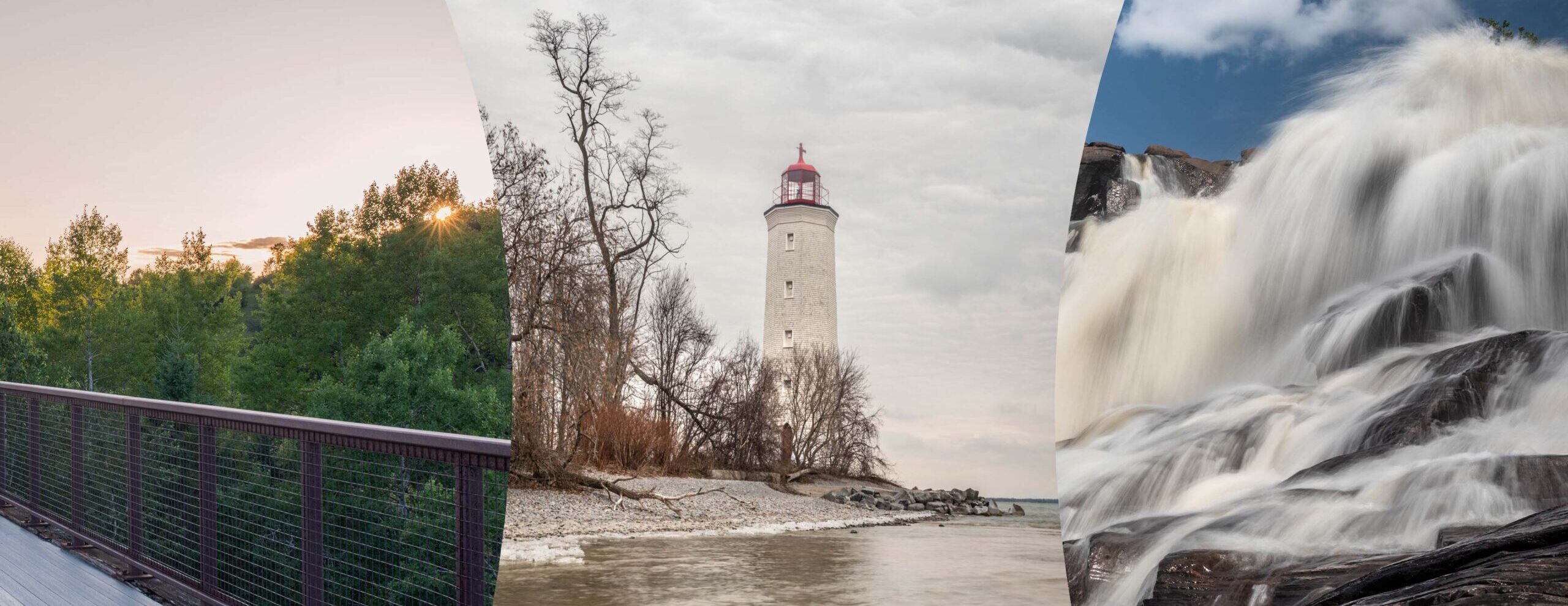
Return To Felkers Falls Conservation Area On The Niagara Escarpment Part Of The Bruce Trail
Discovering the Natural Wonders and Waterfalls of the Bruce Trail in Hamilton, Ontario
For outdoor enthusiasts and dedicated trail explorers across Canada, certain landscapes like Felkers Falls Conservation Area hold a deeply spiritual and nostalgic significance. Consequently, returning to a place of foundational inspiration allows a profound appreciation for the enduring beauty of our preserved green spaces. It is with this precise sense of reverence that a return was recently made to Felkers Falls Conservation Area after seven long years. Crucially, this remarkable geographic sanctuary is where it all began for Ontariohikingtrails.com on YouTube, serving as the literal launching pad for a journey dedicated to documenting the finest wilderness corridors across the province. Through the lenses of early cameras, the rushing waters and ancient rock walls were captured for a global audience, igniting a passion that would eventually span thousands of kilometers of wilderness tracks. Therefore, stepping back onto these familiar paths felt less like a simple routine weekend excursion and much more like a sentimental homecoming to the ancient roots of environmental storytelling.
Historically, the magnificent landscape of the Niagara Escarpment has been recognized globally as a UNESCO World Biosphere Reserve, celebrating a delicate balance between human habitation and ecological preservation. Within this vast geological formation, several unique microclimates are nurtured by the limestone cliffs and dense woodland canopies. In particular, the Hamilton region has earned international acclaim as the “Waterfall Capital of the World,” a title that is proudly justified by the presence of over one hundred hidden cascades tucked away inside urban boundaries. Among these diverse aquatic gems, Felkers Falls Conservation Area stands out as a distinctly profile and accessible parkland, offering a serene refuge where the pressures of modern life can be instantly cast aside. By retracing these historic steps, an opportunity is provided to re-examine how these delicate ecosystems have evolved over the past decade, while simultaneously reaffirming our collective responsibility to safeguard them for generations to come.
Felkers Falls Conservation Area remains a premier hiking attraction along the Niagara Escarpment in Hamilton, Ontario, celebrating a magnificent 22-metre waterfall on the historic Bruce Trail.
Furthermore, the physical geography of this specific location presents an extraordinary contrast between human development and raw, untamed wilderness. Specifically, Felkers Falls is characterized as a stunning 22-metre ribbon waterfall that is situated just steps away from a bustling, modern urban environment. Because the surrounding land has been progressively enveloped by residential subdivisions over the decades, an incredibly unique spatial relationship has been established between suburban backyards and ancient cliffs. To the uninitiated visitor, it is often a shock to realize that a deep, forested gorge of such immense proportions can be found hiding directly behind a row of quiet neighborhood streets. For this reason, visitors must always observe the utmost care and respect for private property when navigating the access points, ensuring that the peaceful coexistence between local residents and international trail hikers is harmoniously maintained. By respecting these boundary lines, the long-term accessibility of the park is successfully secured for the entire hiking community.
Additionally, the rich human history of the property adds a fascinating layer of cultural heritage to the geographical allure of the site. Long before the park was managed by public environmental agencies, the waterfall and the surrounding agricultural property were formerly owned by Joseph Benjamin Felker (1880-1956). Fascinatingly, records show that he was born and lived all his life on the exact same property, witnessing the profound transformation of the Hamilton countryside from rural farmland to expanding municipal infrastructure. Through his family’s enduring stewardship, the pristine nature of the gorge was preserved against early industrial exploitation, allowing the forest to mature naturally over the course of the twentieth century. Today, his lasting legacy is honored every time an explorer sets foot on the grounds, as his family name remains permanently etched into the geography of Ontario. Indeed, the historical narrative of individual landowners dedicating their lives to protecting natural features is a common thread that binds the entire history of Canada’s conservation movements.
Moreover, the modern infrastructure within this protected zone has been carefully designed to accommodate an incredibly diverse demographic of nature lovers. Notably, this escarpment area features well-maintained trails, scenic vantage points, elegant landscaping, and the Peter Street Trail, which functions as a highly successful wheelchair-accessible loop trail traveling smoothly through the conservation area. Through the intentional construction of wide, level boardwalks and paved stone pathways, the therapeutic benefits of the forest are made fully available to individuals with limited mobility, families with strollers, and elderly citizens alike. Along this inclusive loop, information plaques are displayed to educate the public on local flora and fauna, transforming a simple afternoon stroll into a rich, self-guided educational excursion. Consequently, the park stands as a shining example of how modern recreational infrastructure can be seamlessly integrated into a sensitive ecological zone without causing disruption to the surrounding habitat.
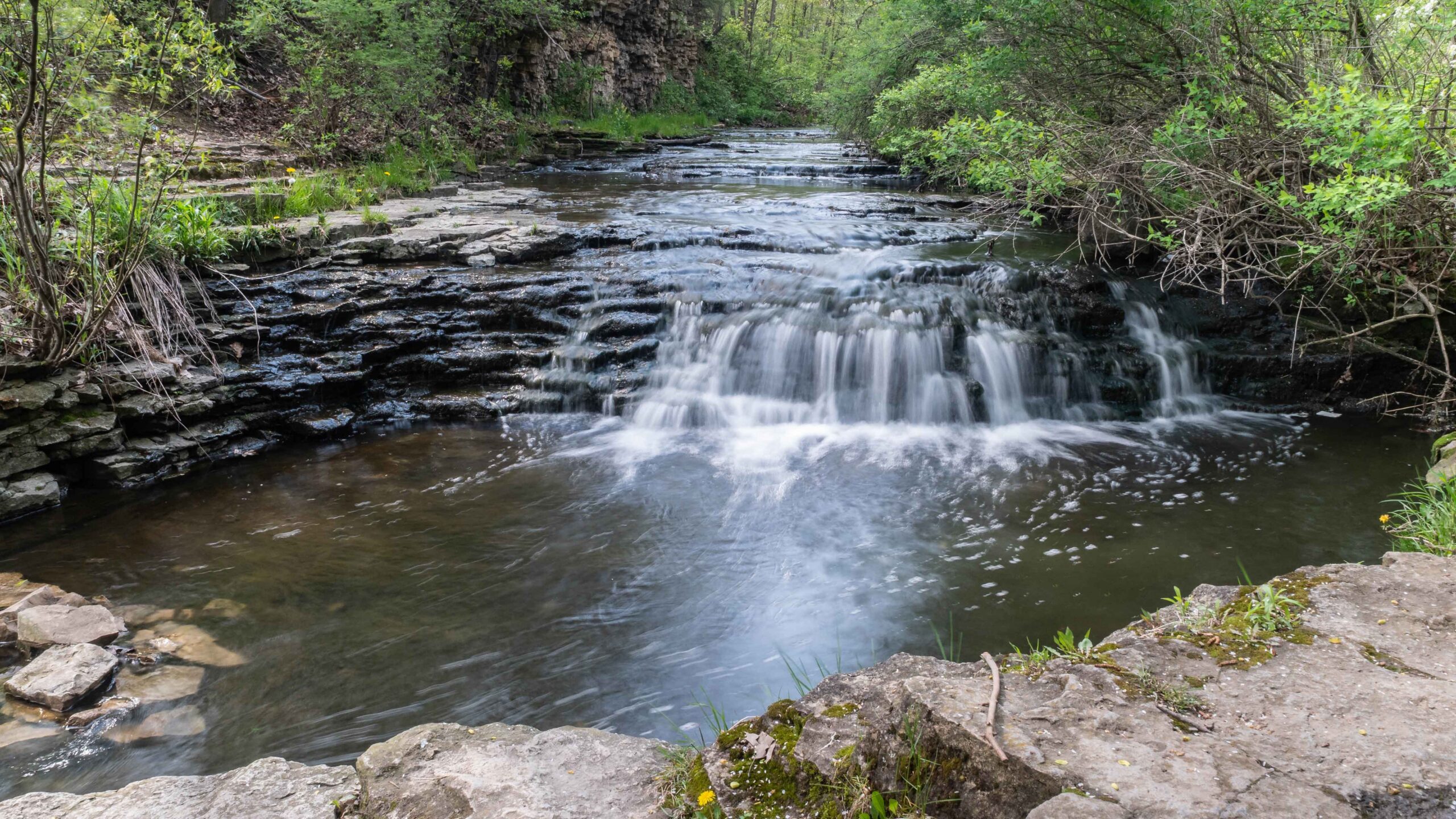
In addition to these accessible pathways, the territory serves as a vital component of a much larger, interconnected network of wilderness tracks. Most famously, the main ribbon of the world-renowned Bruce Trail winds its way directly through the property, linking Felkers Falls to neighboring wilderness areas such as the Devil’s Punchbowl to the east and Albion Falls to the west. Because of this strategic positioning, the location is frequently utilized as a critical staging point for long-distance Bruce Trail thru-hikers who are undertaking the epic 900-kilometer journey across Ontario. Alternatively, for local day-trippers, shorter loop hikes can easily be planned by combining the Bruce Trail with the radial network of secondary side trails that crisscross the escarpment brow. Regardless of the chosen route, panoramic vistas of the lower Hamilton harbor and the distant waters of Lake Ontario are frequently revealed through gaps in the thick summer foliage, rewarding hikers with breathtaking views that cannot be replicated elsewhere.
Simultaneously, the ecological significance of the park extends far beyond its immediate recreational appeal, particularly when analyzed from a regional landscape perspective. Geographically, Felkers Falls is located within the larger Felkers Falls Escarpment Valley natural area, a critical environmental zone that provides refuge to an astonishing array of rare biological communities. Within this protected valley, one of the few remaining woodlots on the Vinemount Moraine is preserved, representing a remnant of the vast primordial forests that once covered the entire southern portion of Canada. Because the surrounding landscape has been heavily altered by agricultural and urban development, this isolated woodlot serves as an invaluable genetic reservoir for native plant species. Accordingly, the preservation of the Vinemount Moraine ecosystem is considered a top priority by regional conservation authorities, who work tirelessly to eradicate invasive species and restore native biodiversity throughout the valley slopes.
Furthermore, the structural connectivity of these forests plays a vital role in maintaining the broader ecological health of southern Ontario. Specifically, the broadleaf upland woods that grow along the steep escarpment slopes serve as a continuous biological link between disparate natural areas along the Niagara Escarpment Corridor. Without these forested corridors, populations of local wildlife would become entirely isolated, leading to genetic stagnation and eventual localized extinction. By providing an uninterrupted pathway of dense cover, mature canopy trees, and rich forest floors, the migration of birds, mammals, and insects is safely facilitated across a heavily fragmented landscape. Thus, the trees standing at Felkers Falls are not merely isolated objects of aesthetic beauty; rather, they are functional components of a living, breathing green highway that stretches from the waters of Niagara all the way to the tip of the Bruce Peninsula.
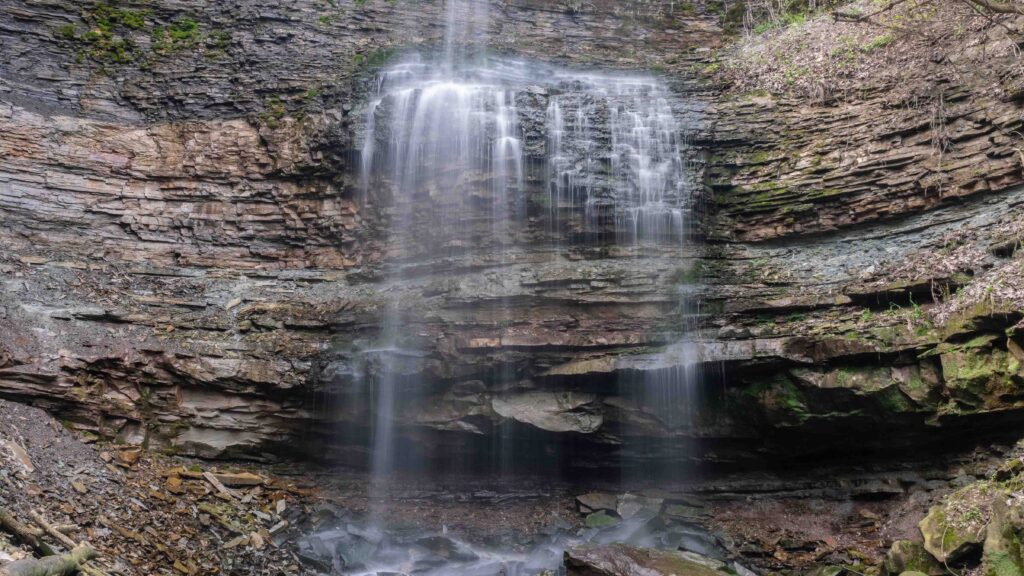
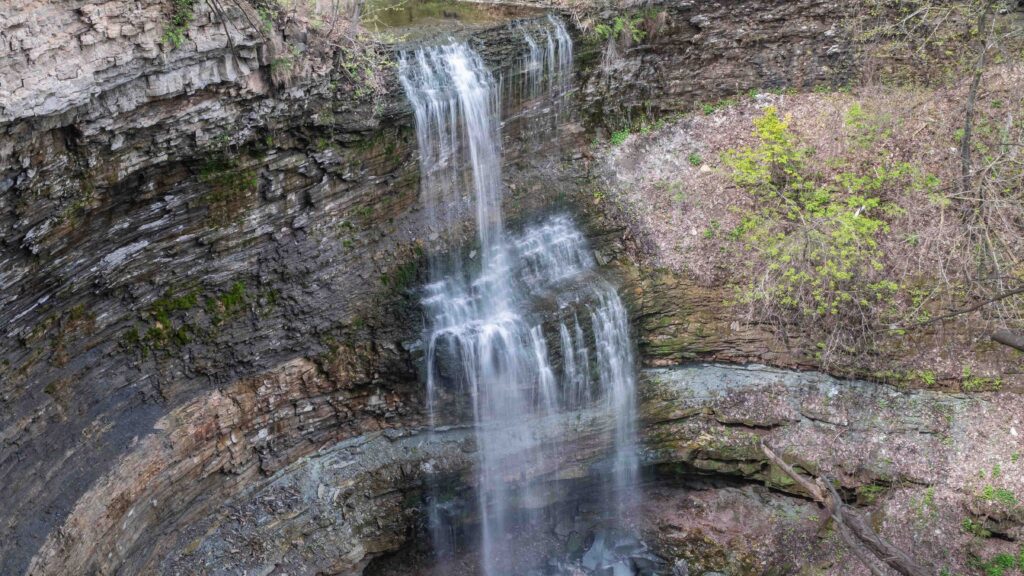
Geologically, the deep incisions carved into the earth by the local water systems offer an unparalleled window into the ancient history of our planet. For instance, the rock exposures located at Felkers Falls have been officially identified as providing important geological information and possessing immense educational value for researchers and students alike. Over millions of years, ancient seas deposited alternating layers of limestone, dolostone, shale, and sandstone, which were subsequently compressed into solid rock. When the last glacial sheets retreated from Canada roughly ten thousand years ago, massive torrents of meltwater cut deeply into these sedimentary layers, exposing the complex stratigraphy of the Niagara Escarpment for all to see. By studying these sheer cliff faces, geologists are able to reconstruct past climate variations, sea-level fluctuations, and environmental shifts that occurred long before human beings ever walked the earth.
Interestingly, comparisons are frequently drawn between this specific site and other famous geological attractions located nearby along the escarpment brow. Though the plunge pool at Felker’s is not as large as the iconic one found at the Devil’s Punchbowl, it does provide an exceptionally clear and interesting look at the distinct rock layers of this particular section of the Niagara Escarpment. Because the waterfall experiences seasonal flow variations, the underlying rock formations are often fully revealed during the dry summer months, allowing amateur rockhounds to examine the precise boundary lines where different geological eras meet. The lower base of the falls is characterized by softer, easily erodible shale, which gradually undermines the harder caprock of Lockport dolostone above. Eventually, this ongoing natural process leads to periodic rockfalls, ensuring that the canyon remains a dynamic, constantly evolving landscape that changes with every passing season.
Botanically, the high level of structural diversity within the valley creates ideal microhabitats for several highly specialized plant communities. For example, there are several significant plant species found within this natural area, including the elusive Leather-leaved Grape Fern, the parasitic Squawroot, the robust Goldie’s Wood Fern, and the primitive Dwarf Scouring-rush. Each of these unique plants has evolved to thrive in the specific soil compositions, moisture levels, and shaded conditions provided by the deep limestone gorge. Because many of these species are highly sensitive to environmental disturbances, their ongoing presence within the park is a testament to the high quality of the remaining wilderness habitat. Visitors are strongly encouraged to remain strictly on the designated trail systems to avoid trampling these delicate botanical treasures, as their recovery from human impact can take decades.
In addition to its remarkable plant life, the conservation area supports a vibrant population of insect species that are critical to the pollination networks of Ontario. Most notably, both Monarch and Northern Cloudy-Wing butterflies have been repeatedly recorded in the area, utilizing the diverse wildflower meadows and forest edges for feeding and reproduction. The presence of milkweed plants along the sun-drenched margins of the trails provides essential nourishment for Monarch caterpillars during their famous multi-generational migrations across North America. By protecting these small pockets of open habitat within the larger forested valley, Felkers Falls acts as a vital refueling station for these endangered insects. Consequently, the protection of the local insect population is directly tied to the overarching preservation of the broadleaf upland woods, demonstrating the interconnectedness of all living things within the biosphere.
Furthermore, the rich leaf litter, fallen logs, and clean headwater streams provide essential habitats for a wide variety of amphibians and reptiles. For instance, you may also find the rare Jefferson Salamander, the elusive Eastern Milk Snake, or the brightly colored Carolina Wren in this area during an observant hike. The Jefferson Salamander, which is currently classified as an endangered species in Canada, relies heavily on the vernal pools and damp forest floors of the Niagara Escarpment for its complex breeding cycles. Similarly, the Eastern Milk Snake utilizes the loose limestone talus slopes for hibernation and thermoregulation, playing a vital role as a natural predator within the local food web. Meanwhile, the cheerful song of the Carolina Wren can often be heard echoing through the dense canopy, adding a beautiful auditory soundtrack to an already spectacular visual experience.
Ultimately, a successful excursion to this timeless Ontario attraction requires a thoughtful blend of personal preparation, environmental awareness, and a deep respect for the natural world. By understanding the profound geological forces, historical human narratives, and complex ecological webs that define Felkers Falls Conservation Area, visitors are able to transform a simple afternoon walk into a deeply meaningful connection with the earth. As the sun begins to set over the western horizon, casting long, dramatic shadows across the limestone cliffs and illuminating the mist of the 22-metre waterfall, one is left with an overwhelming sense of gratitude for the individuals who fought to protect this sanctuary. Returning here after seven years serves as a powerful reminder that while the urban world outside may change at an exhausting pace, the ancient rhythms of the Niagara Escarpment remain beautifully, comfortingly eternal.
Enjoy a memorable hiking experience at Felkers Falls Conservation Area while exploring the historic Niagara Escarpment and the Bruce Trail in Ontario, Canada.
Discover the breathtaking beauty of waterfalls and rich wildlife at this premier attraction in Hamilton, a true highlight of Ontario hiking.
Written By
Tom Worsley
Ontario trail hiker and outdoor photographer
This trail guide is based on first-hand visits and on-site observations documented by Tom Worsley.
View full author bio