
Exploring Belfountain Conservation Area: Discover the Natural Beauty of the Niagara Escarpment
Discover Belfountain Conservation Area near Caledon, Ontario, one of the most scenic natural destinations in Canada. Explore the beautiful Niagara Escarpment, walk across the famous suspension bridge, admire a picturesque waterfall, and enjoy peaceful hiking trails surrounded by lush forests and limestone cliffs. Visit the historic Belle Fountain, discover Yellowstone Cave, and experience the natural beauty of the West Credit River valley. Whether you love photography, outdoor adventures, Canadian history, or relaxing nature walks, Belfountain Conservation Area offers something special for every visitor. Learn about the park’s fascinating history, scenic attractions, seasonal highlights, and practical visitor information before planning your trip. From colourful autumn foliage to the soothing sound of flowing water, this remarkable conservation area provides a memorable escape from everyday life. Explore one of Ontario’s most captivating natural attractions and discover why Belfountain Conservation Area deserves a place on your Canadian travel itinerary.
Belfountain Conservation Area: A Scenic Escape into Ontario’s Natural Beauty
Some places leave a lasting impression long after a visit has ended. For me, Belfountain Conservation Area near Caledon, Ontario, is one of those special destinations. Combining beautiful natural scenery, fascinating historical features, and peaceful walking trails, this remarkable conservation area offers an experience that feels worlds away from the busyness of everyday life.
Located in the picturesque valley of the West Credit River, Belfountain Conservation Area showcases the natural beauty of the Niagara Escarpment. Visitors are welcomed by flowing water, towering trees, limestone cliffs, and the gentle sounds of nature. A spectacular waterfall, an iconic suspension bridge, and charming heritage features make this destination particularly memorable. Every corner reveals another opportunity to appreciate the landscape and discover something interesting about the area’s past.
Furthermore, the park’s relatively compact size makes it an appealing destination for visitors who want to enjoy nature without committing to a full day of strenuous hiking. Whether you are exploring with family, enjoying a peaceful walk, or searching for beautiful photography locations, Belfountain offers a refreshing outdoor experience.
What makes this destination especially interesting is the combination of natural and cultural heritage. Here, the Niagara Escarpment’s geological features exist alongside historic gardens, stonework, and attractions that reflect the area’s development over time.
For anyone exploring scenic destinations in Ontario, Belfountain Conservation Area deserves consideration. It is a place where the beauty of the Canadian landscape can be appreciated at a leisurely pace, and where a relatively short visit can create lasting memories.
Discover the Niagara Escarpment at Belfountain Conservation Area
The Niagara Escarpment is one of Ontario’s most distinctive natural landscapes, and Belfountain Conservation Area provides a wonderful opportunity to experience its character firsthand.
Stretching across a substantial portion of southern Ontario, the escarpment is known for its limestone formations, wooded slopes, waterfalls, and diverse natural habitats. Its distinctive terrain has been shaped by geological processes over millions of years, creating the cliffs, valleys, and rock formations that make this region so visually appealing.
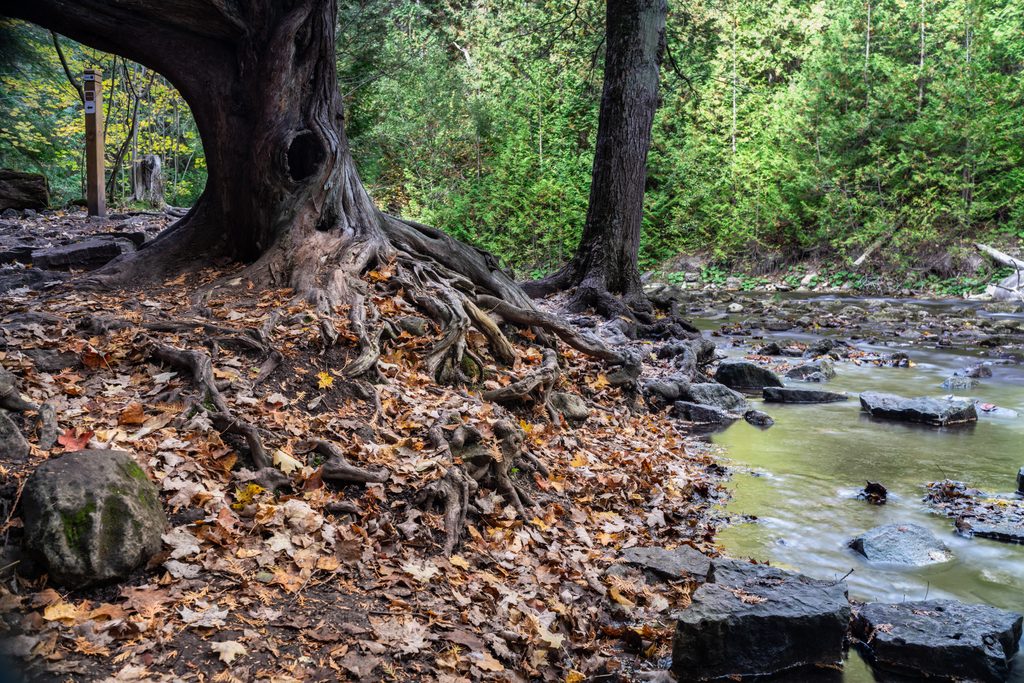
At Belfountain Conservation Area, the escarpment’s natural character can be appreciated through the landscape surrounding the West Credit River. Steep valley walls rise above the water, while freshwater springs emerge along the slopes. Trees and other vegetation provide a lush backdrop throughout the warmer months.
Moreover, the changing seasons transform the scenery in fascinating ways. Spring brings fresh greenery and renewed activity along the waterways. Summer provides a cool, shaded environment beneath the forest canopy, while autumn introduces brilliant shades of yellow, orange, and red.
During the winter, the wider Caledon landscape can become particularly picturesque, although seasonal closures and trail conditions must be considered before planning a visit.
The Niagara Escarpment is also recognised for its ecological importance. Natural areas such as Belfountain provide habitat for wildlife and help protect the waterways and landscapes that define the region.
Consequently, visiting this conservation area is about more than simply enjoying a beautiful view. It is also an opportunity to appreciate the natural features that make Ontario such a remarkable destination for outdoor exploration.
The Famous Suspension Bridge and Waterfall
One of the most memorable attractions at Belfountain Conservation Area is its suspension bridge.
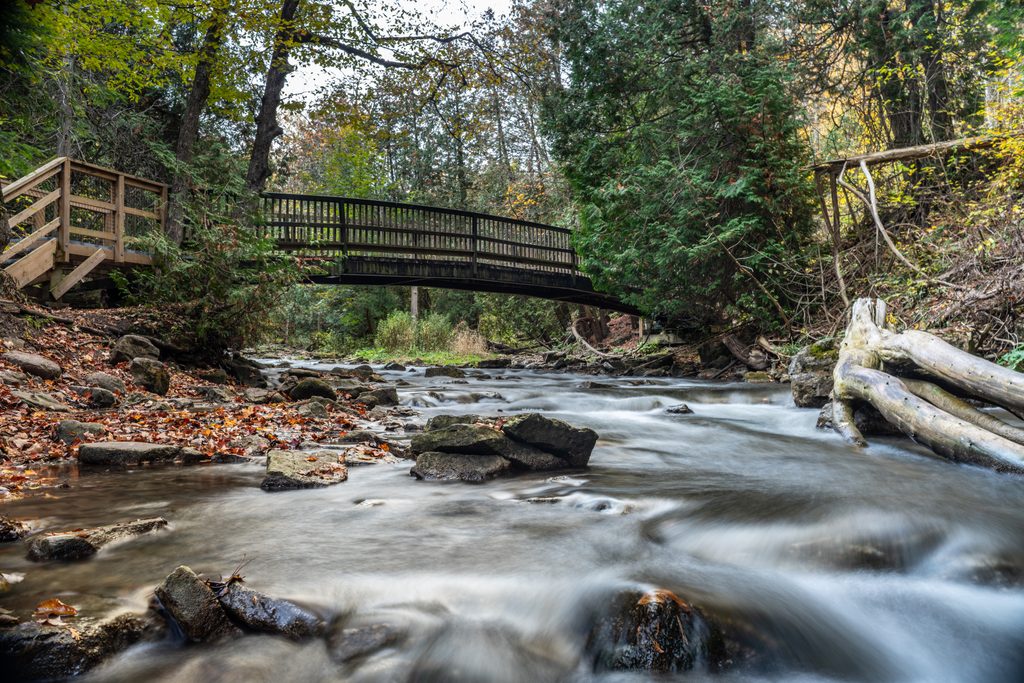
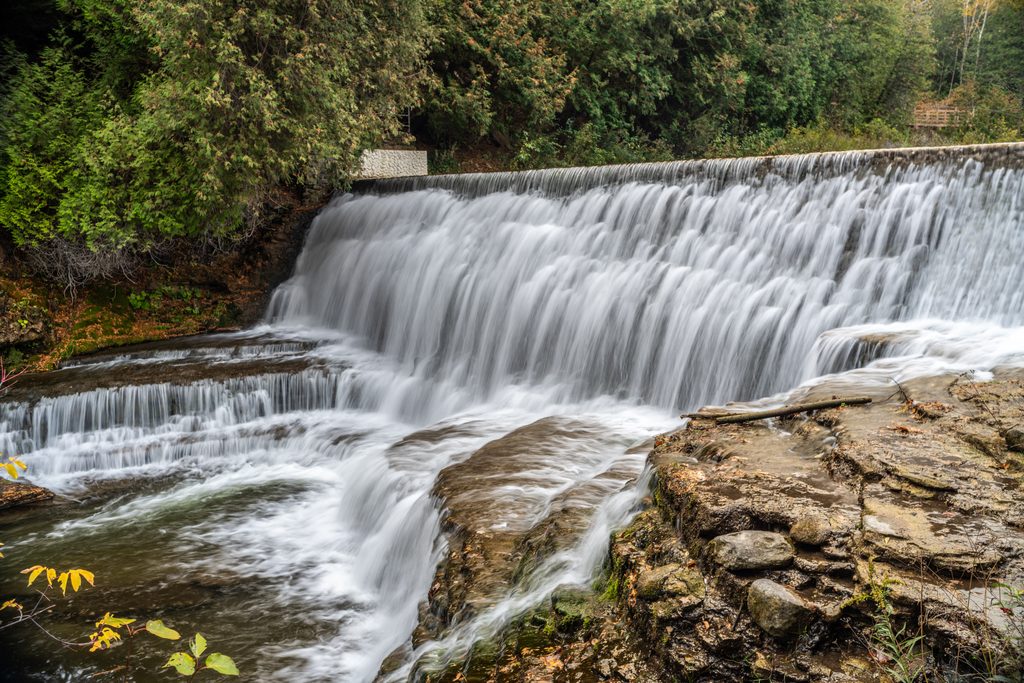
Positioned above the water, the bridge offers visitors an excellent vantage point from which to admire the waterfall and surrounding river valley. The flowing water provides a striking contrast against the greenery, stonework, and wooded slopes that frame the scene.
As you approach the bridge, the sound of moving water becomes an inviting part of the experience. Depending on the season and water conditions, the waterfall may appear particularly dramatic, with water spilling over the structure and creating movement throughout the landscape.
Furthermore, the bridge provides an opportunity to appreciate the relationship between the park’s historic features and its natural surroundings. Rather than standing apart from the landscape, the structure forms part of a setting shaped by water, rock, vegetation, and human activity.
For photography enthusiasts, this is one of the most appealing locations in the park. The bridge, waterfall, and surrounding trees create an attractive composition that changes throughout the year.
During autumn, colourful leaves can frame the view, adding warmth and contrast to the scene. In spring, fresh foliage and flowing water can create a lively atmosphere. Summer visits are often characterised by green vegetation and shaded surroundings.
However, the experience should not be rushed. Take time to observe the water, appreciate the landscape, and notice the smaller details that might otherwise be overlooked.
The suspension bridge is more than a convenient crossing. It is one of the defining features of Belfountain Conservation Area and a major reason why the park remains such a popular destination for nature lovers visiting Caledon.
Explore the Hiking Trails at Belfountain Conservation Area
Although Belfountain Conservation Area is relatively small, its trails provide several different ways to experience the landscape.
Some paths are designed for leisurely walks and scenic viewing, while others pass through steeper terrain and require greater care. Therefore, visitors should select a route that matches their abilities, available time, and interests.
Riverside Trail: A Peaceful Walk beside the Water
The Riverside Trail is an appealing option for visitors seeking a short, scenic walk.
This easy boardwalk route follows the shoreline of the West Credit River and provides views of the heritage gardens and the Belle Fountain. Along the way, visitors can pause at designated lookouts to appreciate the water and surrounding landscape.
The trail is particularly suitable for those who want to enjoy the park’s scenery without undertaking a demanding hike.
Additionally, the boardwalk creates opportunities to observe the river valley from different perspectives. Trees, flowing water, and historic garden features contribute to the peaceful atmosphere.
The Riverside Trail is approximately 0.2 kilometres long, making it a convenient addition to a short visit.
Gorge Trail: Discover the Rugged Landscape
For visitors interested in more challenging terrain, the Gorge Trail provides a closer encounter with the Niagara Escarpment.
This approximately 0.5-kilometre route climbs through the steep river valley and passes exposed escarpment formations. The terrain is more demanding than that of the Riverside Trail, and sections include uneven surfaces and substantial changes in elevation.
Consequently, sturdy footwear and careful attention to trail conditions are recommended.
The reward is an opportunity to experience a more rugged side of Belfountain Conservation Area, where the landscape’s geological character becomes particularly apparent.
Trimble Side Trail: Scenic Views across the Valley
The Trimble Side Trail follows the steep slopes of the West Credit River valley toward the Forks of the Credit.
At approximately 0.4 kilometres long, this trail offers another way to appreciate the escarpment’s distinctive terrain. It is rated strenuous, so visitors should consider their fitness and comfort with steep sections before choosing this route.
The trail is named in memory of Roy and Eleanor Trimble, lifelong Belfountain residents and historians.
This connection to local history adds another layer of interest to the experience. The landscape is not only a natural attraction but also part of a community whose history has been closely connected to the surrounding environment.
Bide-a-Wee Trail: A Glimpse into the Past
The Bide-a-Wee Trail is a short route featuring stone steps that lead to the historic site of a cottage built for guests visiting the property in the early twentieth century.
Although the cottage no longer stands, the location offers a glimpse into the way the grounds were once used.
The trail is approximately 0.1 kilometres long and is rated easy. However, the presence of stone steps means visitors should still take care when walking.
Together, these trails demonstrate that Belfountain Conservation Area offers more than a single attraction. Each route reveals a different aspect of the property’s natural beauty, historical significance, or distinctive terrain.
Important: Trail access and conditions can change. Check the official park information before visiting, particularly if you have mobility requirements or are planning to explore the more strenuous routes.
The Historic Belle Fountain: The Story behind Belfountain
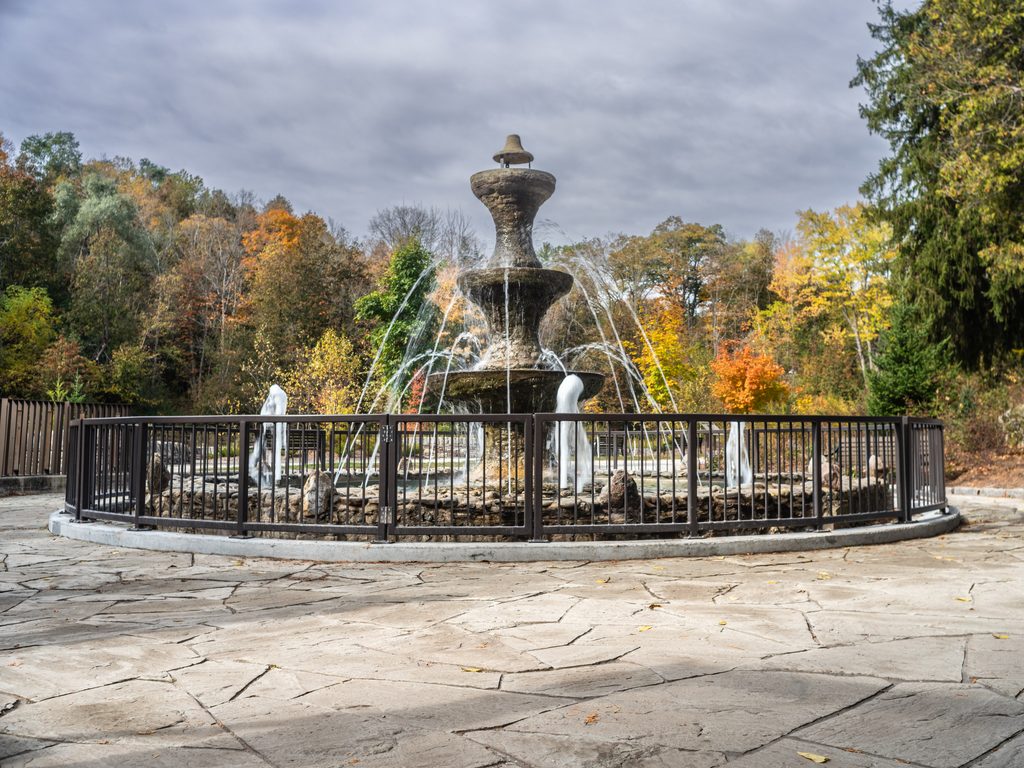
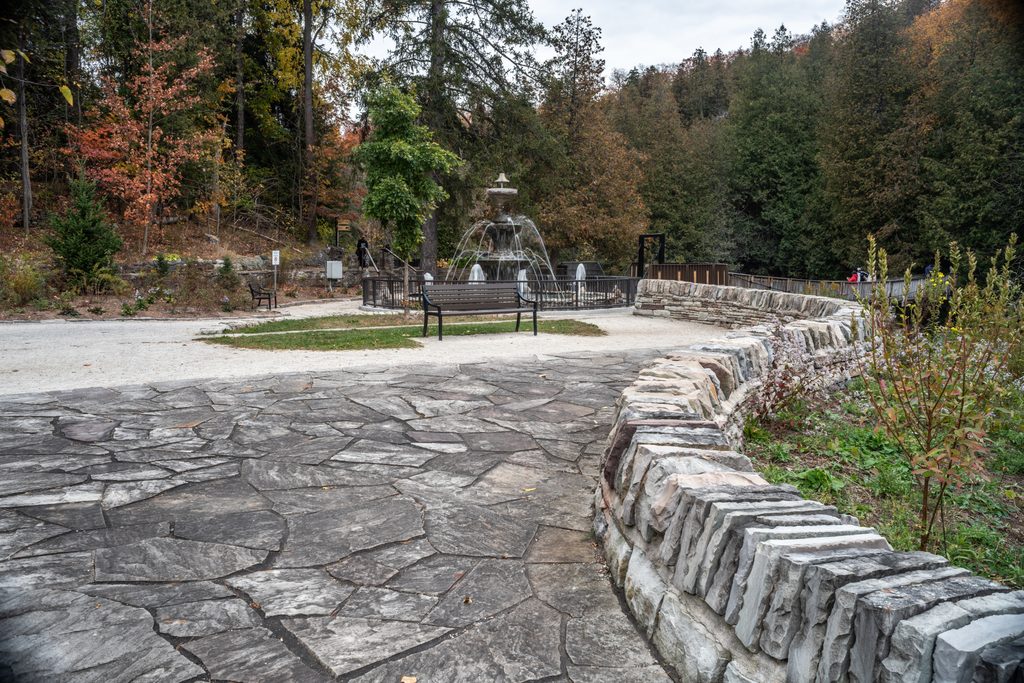
One of the most charming features of Belfountain Conservation Area is its historic fountain.
The name Belfountain is derived from the French expression belle Fontaine, meaning beautiful fountain. The name reflects the area’s association with flowing water and the natural springs that contribute to its distinctive character.
This connection between language, landscape, and local identity gives the fountain particular significance.
Rather than being simply a decorative feature, the fountain represents an important part of the area’s cultural heritage. It helps connect present-day visitors with the history of the property and the development of the surrounding village.
The fountain is situated within the park’s heritage landscape, where gardens, stonework, and pathways contribute to the historic atmosphere.
Furthermore, restoration work has helped preserve the property’s cultural features while supporting the conservation of its natural environment.
The fountain is an excellent place to pause during a walk, appreciate the surrounding gardens, and consider how the park has evolved over time.
For photographers, the combination of historic stonework, greenery, and water provides an attractive subject. For history enthusiasts, the fountain offers a tangible connection to the area’s past.
Ultimately, it is these details that make Belfountain Conservation Area more interesting than an ordinary walking destination. Its attractions are closely connected to the landscape and the community from which the park takes its name.
Yellowstone Cave: Discover a Unique Historical Attraction
Another intriguing feature of Belfountain Conservation Area is Yellowstone Cave.
Unlike a naturally formed limestone cave, Yellowstone Cave was constructed as part of the property’s historic landscape. It reflects the vision of Charles Wilson Mack, who purchased the property and developed its grounds during the early twentieth century.
The cave’s unusual appearance and historical background make it an interesting feature for visitors exploring the park.
As you discover this attraction, it becomes clear that the property was designed to offer more than a traditional garden experience. Decorative features, stonework, pathways, and water elements were brought together to create an environment where visitors could enjoy the outdoors while discovering distinctive architectural details.
Moreover, Yellowstone Cave adds an element of curiosity to a walk through the conservation area. Its presence encourages visitors to look beyond the waterfall and suspension bridge and appreciate the many smaller attractions scattered throughout the grounds.
The cave also illustrates how human creativity has contributed to the character of the property.
Today, its historical significance forms part of the broader story of Belfountain Conservation Area, where cultural heritage is preserved alongside the natural environment.
If you enjoy exploring unusual landmarks, this is a feature worth including in your visit.
As with the park’s other historic attractions, access should be confirmed before travelling because conservation work and seasonal operating arrangements may affect what visitors can see.
The History of Belfountain Conservation Area
The history of Belfountain Conservation Area adds depth to its scenic appeal.
The property was originally known as Mack Park. It was purchased by Credit Valley Conservation in 1959 and subsequently transformed into the conservation area enjoyed by visitors today.
Before becoming a public conservation destination, the grounds were associated with Charles Wilson Mack, whose development of the property included gardens, pathways, and decorative features.
These historic elements helped establish the distinctive character of the area.
Over time, the property became recognised for its combination of scenic river views, historic structures, and opportunities to experience the natural environment. Its suspension bridge, waterfall, fountain, and cave have all contributed to its reputation as an appealing destination in Caledon.
However, maintaining a landscape with both ecological and historical value requires ongoing attention.
Restoration projects have therefore been undertaken to protect the natural and cultural heritage of the property. These projects have included improvements to the river channel, dam, trails, boardwalks, and heritage gardens.
The work has also supported efforts to improve river health and protect habitat for native fish, including brook trout.
This approach reflects an important principle of conservation: natural spaces must be managed carefully if their environmental and cultural qualities are to be preserved for future generations.
Consequently, the park’s history is not simply a story of how an attractive property became a public destination. It is also a story about the continuing effort to balance recreation, heritage preservation, and ecological protection.
Visitors who understand this history may find that the park’s familiar features become even more meaningful.
Nature and Wildlife along the West Credit River
The West Credit River is central to the character of Belfountain Conservation Area.
Its flowing waters, spring-fed sources, and surrounding valley create a landscape that supports a variety of natural habitats.
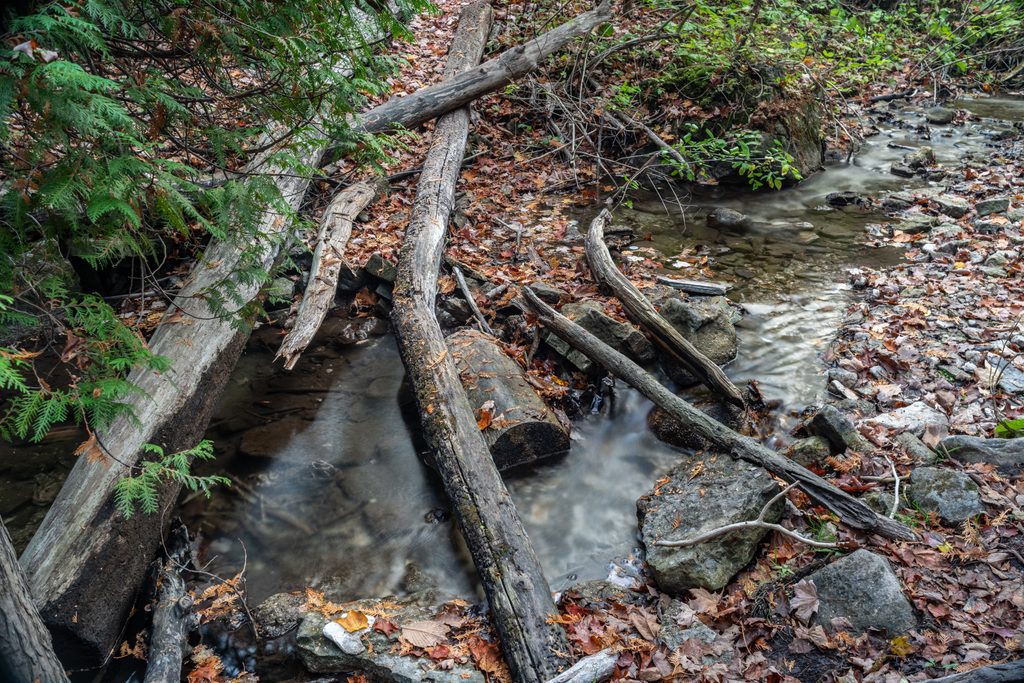
Freshwater springs emerge along the steep valley walls, while the river winds through a landscape shaped by limestone and vegetation. These features contribute to the area’s distinctive scenery and ecological importance.
Furthermore, the surrounding woodlands provide habitat for wildlife, including birds and other animals associated with southern Ontario’s forested environments.
Visitors may notice songbirds moving through the trees, squirrels searching for food, or other wildlife passing through the undergrowth. However, sightings are never guaranteed, and animals should always be observed from a respectful distance.
The river is also associated with cold-water fish habitat. Restoration efforts have been designed to improve water movement and temperature conditions, supporting the ecological health of the waterway.
These efforts are especially important in landscapes where recreational use and environmental protection must coexist.
For nature lovers, the opportunity to observe the relationship between water, rock, plants, and wildlife is one of the park’s greatest attractions.
Additionally, the changing seasons bring different experiences. Spring encourages renewed growth, summer provides leafy shade, and autumn transforms the surrounding woodland with colourful foliage.
Rather than focusing only on the major landmarks, visitors can gain a deeper appreciation of Belfountain Conservation Area by taking time to notice its natural details.
The quiet movement of water, the shape of the limestone cliffs, and the sounds of birds in the trees all contribute to the atmosphere that makes this destination so memorable.
The Best Time to Visit Belfountain Conservation Area
Belfountain Conservation Area offers different experiences throughout the year, but the best time to visit depends on what you want to see.
Spring: Fresh Growth and Flowing Water
Spring brings new greenery and renewed activity throughout the landscape.
As temperatures rise, the surrounding vegetation begins to grow, and the river valley takes on a fresh appearance. The combination of water, emerging leaves, and changing light can make this season particularly appealing for nature photography.
However, muddy paths and changing weather may affect hiking conditions, so appropriate footwear is recommended.
Summer: A Green Escape in Ontario
Summer is an attractive time to explore the park’s shaded trails and enjoy the natural surroundings.
The forest canopy creates a pleasant setting for leisurely walks, while the suspension bridge and waterfall remain major attractions.
Additionally, longer daylight hours provide more flexibility when planning a visit.
Because the conservation area is popular and parking is limited, advance planning is particularly important during busy periods.
Autumn: A Spectacular Display of Fall Colours
Autumn is one of the most visually appealing seasons in the Caledon area.
As leaves change colour, the forest surrounding Belfountain Conservation Area becomes a rich mixture of yellow, orange, and red. These colours contrast beautifully with the river, limestone cliffs, and historic structures.
For photographers, this seasonal transformation offers excellent opportunities to capture the landscape.
Nevertheless, peak foliage varies from year to year depending on weather conditions. Checking local updates before travelling can help you plan your visit.
Winter: A Seasonal Note
Winter can bring beautiful scenery to the wider Niagara Escarpment region, but visitors should never assume Belfountain Conservation Area is open throughout the year.
The park operates seasonally, and closures may also occur for maintenance or safety reasons.
Always check the current park advisory before setting out. Seasonal closure notices should take precedence over older travel articles or outdated opening information.
Planning Your Visit to Belfountain Conservation Area
A little preparation can make your visit more enjoyable.
Belfountain Conservation Area is located at 819 Forks of the Credit Road in Caledon, Ontario. It is an appealing destination for people travelling from nearby communities or exploring the wider region.
Before leaving home, however, there are several practical details worth checking.
Admission and reservations
Admission fees and vehicle permit requirements may apply. The park also operates with limited parking capacity, so reservations are recommended when available.
Check the official Credit Valley Conservation website for current prices, booking requirements, and seasonal opening dates.
Opening hours
Opening hours vary according to the season and park operating arrangements. Confirm the schedule before travelling, especially during spring and autumn.
Parking
Parking is limited within the conservation area. Visitors should follow the park’s instructions and avoid parking in unauthorised roadside locations.
Walking and hiking
Choose trails according to your abilities and allow sufficient time to explore. Some paths are easy and relatively level, while others include steep slopes, steps, and more challenging surfaces.
Accessibility
Certain paths are identified as accessible and suitable for wheelchairs and strollers. However, not every trail has the same surface or gradient, so review the official trail descriptions when planning a visit.
Photography
The suspension bridge, waterfall, fountain, and heritage gardens offer attractive photography opportunities. Visitors should follow all park rules, respect other people, and avoid entering restricted areas to obtain photographs.
Park rules
Review current visitor guidelines before arriving. Rules concerning activities, pets, photography permits, and access may affect your plans.
For the latest information, visit the official Belfountain Conservation Area website.
Seasonal notice: As of October 27, 2026, Credit Valley Conservation lists Belfountain Conservation Area as closed for the season, with reopening planned for spring 2027. Check the official park advisory for updates before planning your trip.
Why Belfountain Conservation Area Deserves a Place on Your Ontario Travel List
Ontario offers countless opportunities to experience the outdoors, but some destinations stand out because they combine natural beauty with a strong sense of place.
Belfountain Conservation Area is one of those destinations.
The suspension bridge provides a memorable view of the waterfall. The hiking trails introduce visitors to the Niagara Escarpment’s distinctive terrain. Meanwhile, the Belle Fountain, Yellowstone Cave, and heritage gardens reveal the fascinating history of the property.
Together, these attractions create an experience that appeals to a wide range of visitors.
Nature enthusiasts can appreciate the West Credit River and surrounding woodland. Photography lovers can explore changing light and seasonal colours. History enthusiasts can discover how the property evolved from Mack Park into a conservation destination.
Furthermore, the park’s compact size makes it possible to experience several of its main attractions during a relatively short visit.
For people who live in Ontario, it offers an opportunity to explore a beautiful natural area without travelling far from nearby communities. For visitors from elsewhere in Canada, it provides a glimpse of the landscapes and conservation efforts that help define the province.
The restoration of the property is another reason to appreciate the destination. Protecting its river, trails, gardens, and historic features helps ensure that its natural and cultural qualities can continue to be enjoyed in the future.
Of course, the park’s popularity means that visitors should plan ahead and respect its operating rules. Advance preparation helps protect the visitor experience while supporting the conservation work that keeps the area special.
Ultimately, the attraction lies not in any single feature but in the way everything comes together. Water, stone, woodland, history, and carefully maintained pathways combine to create a destination that rewards curiosity and a slower pace.
Final Thoughts: Discover the Beauty of Belfountain Conservation Area
Belfountain Conservation Area remains one of the most scenic and interesting conservation areas I have ever visited.
Its natural beauty is immediately appealing, but the park’s character becomes even more interesting as you explore its trails and discover its historic features.
The waterfall viewed from the suspension bridge is a memorable highlight. The Niagara Escarpment provides a dramatic natural backdrop, while the West Credit River brings movement and life to the valley.
Beyond the scenery, the Belle Fountain and Yellowstone Cave offer reminders of the property’s history. Together with the heritage gardens and walking trails, these attractions create a destination that feels both distinctive and inviting.
What I find particularly appealing is the opportunity to experience so much within a relatively small area. A leisurely walk can reveal beautiful views, interesting structures, and details about the natural environment that might otherwise go unnoticed.
Moreover, the park’s restoration demonstrates why conservation matters. Protecting places like Belfountain ensures that their natural habitats and cultural heritage can continue to be appreciated by future generations.
If you are searching for scenic places to visit in Ontario, Belfountain Conservation Area deserves serious consideration.
Whether you are interested in hiking, photography, local history, or simply enjoying the outdoors, this corner of Caledon offers a rewarding experience.
Plan ahead, check the current seasonal status, and allow yourself enough time to appreciate the details.
Sometimes, the most memorable travel experiences are found in places where nature and history come together—and Belfountain Conservation Area is an excellent example.
Discover the natural beauty of Belfountain Conservation Area, where the Niagara Escarpment, scenic hiking trails, and the iconic suspension bridge showcase the best of Ontario’s outdoor heritage.
Plan your next Canadian nature escape to Belfountain Conservation Area in Caledon, Ontario, and experience its beautiful waterfall, historic fountain, and picturesque West Credit River valley.
Written By
Tom Worsley
Ontario trail hiker and outdoor photographer
This trail guide is based on first-hand visits and on-site observations documented by Tom Worsley. View full author bio
