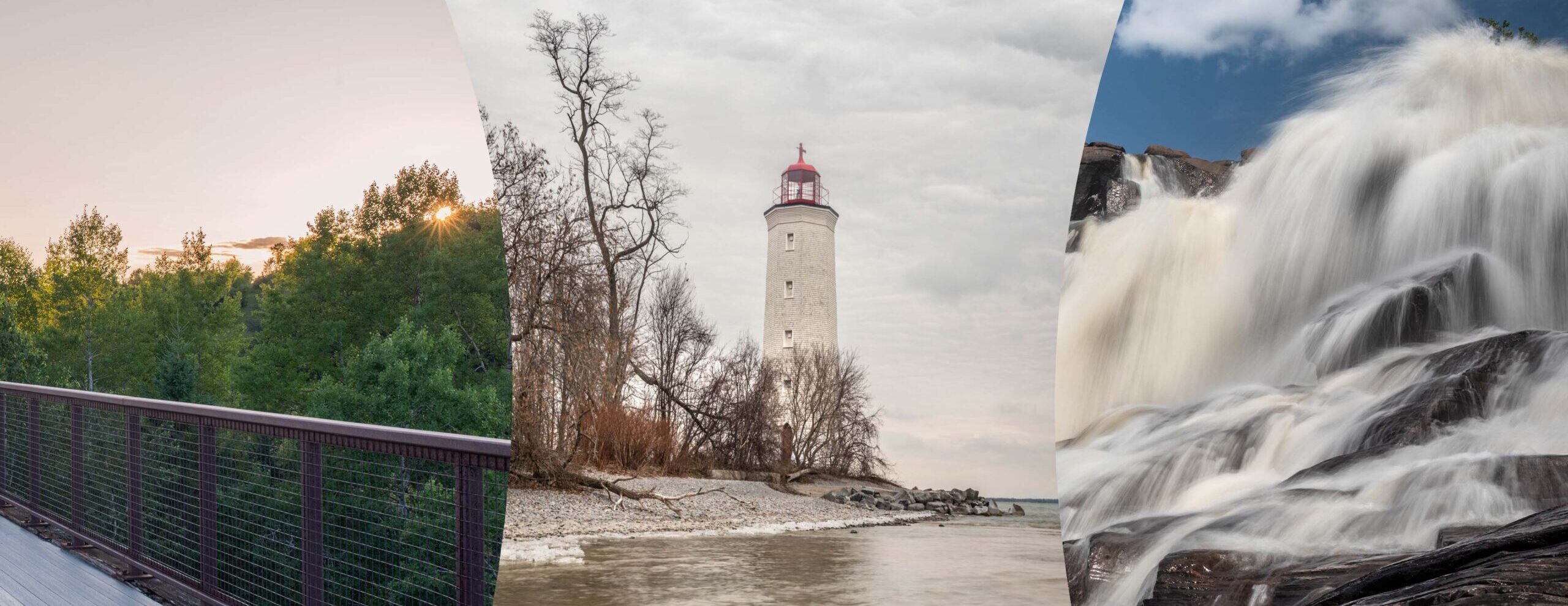
Elora Gorge Conservation Area – The Ultimate Guide to Ontario’s River & Cliff Adventure
Introduction To The Elora Gorge And Grand River
Nestled in the heart of Wellington County in Ontario, Elora Gorge Conservation Area is a breathtaking natural treasure that calls out to adventurers, hikers, and nature lovers. Located along the majestic Grand River, this rugged gorge with towering limestone cliffs, lush woodlands, and rushing rapids offers one of Southern Ontario’s most dramatic outdoor settings. Whether you want to hike along cliff‐top trails, tube through wild water, or relax at a riverside campsite, the Elora Gorge delivers. It is a place where both serenity and adrenaline can be found, and where memories are forged under the open sky.
This guide is designed to show you everything you need: history, access, trail options, activities, lodging and camping facilities, safety guidelines, and tips for visiting. By the end, you’ll know how to plan a trip that maximizes fun, minimizes surprises, and respects the area’s fragile beauty.
Location & Getting To The Elora Gorge Conservation Area
Where Is It
Elora Gorge Conservation Area sits at 7400 Wellington County Road 21, Elora, Ontario. It is owned and managed by the Grand River Conservation Authority (GRCA). (Grand River Conservation Authority)
The area is roughly 25 km north of Guelph and close to the towns of Elora and Fergus. It is easily reachable by car via provincial highways and county roads. If coming from Toronto, expect around 1.5 to 2 hours depending on traffic.
Operating Season & Hours
The park is open for day use and camping from May 1 to October 15 every year. (Grand River Conservation Authority) Day‐use hours run from 8 a.m. to 9 p.m. (Grand River Conservation Authority)
Note: Opening or closing of certain facilities (e.g. gatehouse, concession, trails) depends on conditions and maintenance. Also capacity limits or closures may apply due to high water or safety concerns. (Grand River Conservation Authority)
Access & Permits
- Day-use visitors must pay an admission fee at the gatehouse or self-registration when the gatehouse is closed. (Grand River Conservation Authority)
- Camping must be reserved in advance via GRCA’s camping reservation system. (Grand River Conservation Authority)
- Tubing tickets & equipment rentals are only available online in advance; no walk-ups. (Grand River Conservation Authority)
History & Geology
Geological Formation
The Elora Gorge was carved by glacial meltwaters at the end of the last Ice Age. Massive volumes of water rushed over the limestone bedrock, eroding it over millennia and leaving steep cliffs up to 22 metres high. (Grand River Conservation Authority)
These limestone cliffs are rich in fossils; the rock layers tell stories of ancient seas, sediments, and the movements of Earth’s crust. The deep gorge, the high cliffs, and rapid sections of the Grand River are physical evidence of this dramatic geological history.
Historical Context
- The town of Elora was founded in 1832 by Captain William Gilkison, who named it after his ship, and was drawn to the gorge’s dramatic beauty.
- Over time, the Grand River Conservation Authority assumed stewardship of the lands including the gorge, ensuring protection and structured access. (Grand River Conservation Authority)
- The conservation area is part of a broader network of protected lands managed to balance recreation, natural heritage, and ecological health.
Activities & What to Do At The Elora Gorge Conservation Area
Elora Gorge Conservation Area offers a variety of outdoor adventures. Whatever your pace—relaxed or fast—you’ll find activities to suit your style.
Hiking & Scenic Trails
- There are 2-3 kilometres of walking/hiking trails along the gorge with scenic overlooks and safety barriers. (Grand River Conservation Authority)
- Trails are well marked; however, the gorge walls are steep and sections close to the edge can be dangerous. Only hike on marked trails. (Grand River Conservation Authority)
Tubing & River Experience
- Tubing the Grand River through the gorge is one of the most popular draws. The rushing water, the cliffs overhead, and the natural currents combine to make it an exhilarating ride. (Grand River Conservation Authority)
- Note: The shuttle service that used to support tubing is no longer operating. Visitors need to plan accordingly. (Grand River Conservation Authority)
- Tubing may be closed or restricted under certain river flow or weather conditions. Always check current status online. (Grand River Conservation Authority)
Camping & Overnight Stays
- The site offers 450 campsites in total. This includes:
• 250 unserviced sites
• 130 serviced sites (water + 15/30 amp electrical)
• 20 serviced with 15-amp electrical
• 60 fully serviced with water, 15/30 amp electrical, and sewer. (Grand River Conservation Authority) - Group camping (for youth groups) is available by reservation. (Grand River Conservation Authority)
Other Activities
- Fishing: The stretch of Grand River here is well known for brown trout fishing. Wading is common, though riverbed is rocky. Cleats recommended. (Grand River Conservation Authority)
- Picnicking: Multiple picnic tables and a picnic pavilion (Kay Marston Pavilion) are available. Green spaces, playgrounds, and sports fields (like baseball diamonds) also present. (Grand River Conservation Authority)
- Splash Pad: A splash pad (≈195 m², 18 features) is there to cool off on hot days. (Grand River Conservation Authority)
Nearby Trails: Elora Cataract Trailway
- The Elora Cataract Trailway is a 47-km trail linking the Grand and Credit River watersheds. It follows an old Canadian Pacific railway bed, passing through scenic countryside. (Grand River Conservation Authority)
- Ideal for hiking, cycling, and all-season use. Easy grades, mostly flat or gentle rolling. (Credit Valley Conservation)
Facilities, Costs & Reservations
Understanding operations, fees, and what to reserve ahead makes your trip stress‐free and efficient.
Campsite Types & Amenities
- Unserviced to fully serviced – depending on whether you need water, sewer, electricity. (Grand River Conservation Authority)
- Washrooms and showers in campground area; vault toilets elsewhere. Picnic areas; playgrounds; concession stand for snacks, food. (Grand River Conservation Authority)
Fees & Reservation Details
- Nightly camping rates vary by site type: unserviced, serviced, serviced with water & sewer. Rates approx CAD $49-66/night depending on service level. (Grand River Conservation Authority)
- There is also a reservation fee non-refundable. Additional vehicle fees (approx $17-18 CAD) apply. (Grand River Conservation Authority)
- Tubing registration and equipment rental fees must be paid online in advance. Equipment rentals include a security deposit. (Grand River Conservation Authority)
Rules, Policies & Safety
- Alcohol & cannabis are banned entirely—day use and all registered campsites. (Grand River Conservation Authority)
- Dogs are allowed on leash (max 2 metres), must be under control; leash policy strictly enforced. (Grand River Conservation Authority)
- Stay only on marked trails; avoid edges of cliffs; do not climb down the gorge walls. For your safety these are enforced. (Grand River Conservation Authority)
- Gatehouse closed hours require self-registration and fee payment. (Grand River Conservation Authority)
Suggested Itinerary & Best Time to Visit Elora Gorge
Best Time of Year
- Late Spring through early Fall (May to mid-October) is ideal. Gorge is open May 1-October 15. (Grand River Conservation Authority)
- Summer brings warm weather, longer days, active river flows (for tubing), but also more visitors.
- Fall offers striking foliage along the cliffs and quieter trails. Early morning or weekdays are best for fewer crowds.
Sample Itineraries
Day Trip
- Arrive early (8-9 a.m.) to get parking.
- Take a short hike along the riverside trails and scenic overlooks to take in panoramic views.
- Picnic lunch near a vista or at picnic area.
- Afternoon tubing (if available); check river flow, book in advance.
- Explore the Elora Cataract Trailway (short section) or visit the village of Elora for shops, ice cream, arts.
Overnight / Weekend Stay
- Set up camp in a fully serviced or serviced site.
- Evening: a sunset walk and dinner at the pavilion or cook at your campsite.
- Night: stargazing – skies are often clearer away from city lights.
- Next morning: early hike, fishing or more tubing; then wrap up with lunch.
Tips to Optimize Your Visit To Elora Ontario
What to Bring
- Hiking shoes with good grip (rocky, possibly muddy trails).
- Tubing gear (if bringing your own) or appropriate clothes/swimwear.
- Layers of clothing (nights can be cool; mornings/deeper gorge shady).
- Water, food, sun protection, insect repellent.
- Headlamp/flashlight if staying overnight.
Reservation & Booking Insights
- Book campsites well in advance, especially in peak summer months. Sites fill up quickly.
- Check tubing status online before you go—closures happen due to high water or maintenance.
- Bring extra vehicle fee if more than one car.
Safety Considerations
- The cliffs are steep; stay back from edges. Barriers and fences are there for good reason.
- Water in the Grand River can be unpredictable. Don’t underestimate currents.
- Keep children supervised.
- No alcohol/cannabis popularly enforced—break rules, risk being ejected.
Why Elora Gorge Conservation Area Stands Out
- It’s one of the few places in Southern Ontario where you get true gorge scenery (22-metre cliffs), combined with river adventure, camping, and good infrastructure. (Grand River Conservation Authority)
- The conservation authority does a strong job balancing access and protection—efforts are visible in clearly marked trails, safety features, and well kept facilities.
- Proximity: close to major cities like Guelph, Kitchener, and within driving distance from Toronto—yet it feels remote and wild in many of its sections.
Nearby Attractions & What Else to Do
- Elora Quarry Conservation Area: For swimming, relaxing in quarry waters, beach access, cliff sides. Great alternative or add-on. (Wikipedia)
- Village of Elora: Charming shops, cafes, art galleries, old mills, historic architecture. Great for rest and culture.
- Fergus: Nearby town with markets, festivals, additional amenities.
Photography & What to Capture
- Sunrise or early morning light against the cliffs casting long shadows on the river.
- The river’s rapids—especially when flowing strongly—look dramatic.
- Aerial or elevated overlook shots from scenic viewpoints.
- Fall colours—maples, oaks along the gorge rim and trails.
- Night shots: campfires, stars if conditions allow.
Final Thoughts & Call to Action
Elora Gorge Conservation Area sits among Ontario’s best kept natural gems. It delivers because its combination of dramatic geology, the power of the Grand River, excellent camping, and regulated, safe access make it both accessible and awe-inspiring. Whether you are craving an adrenaline ride down rapids, a quiet night under the stars, or just a refreshing break from urban life, this place delivers.
If Elora Gorge has been on your bucket list, now is the time to plan. Book your campsite early, check tubing availability and river conditions, pack smart, and embrace the adventure. Above all, take care of the land so others may enjoy it too.
Watch video now to see Elora Gorge Conservation Area in action—view the trails, the river, and hear tips from people who’ve experienced it. And once you’re ready, pack your bags and experience this majestic gorge for yourself.
Plan Your Elora Gorge Adventure
Essential Safety Tips for Hiking Along the 22-Metre Limestone Cliffs
Written By
Tom Worsley
Ontario trail hiker and outdoor photographer
This trail guide is based on first-hand visits and on-site observations documented by Tom Worsley.
View full author bio