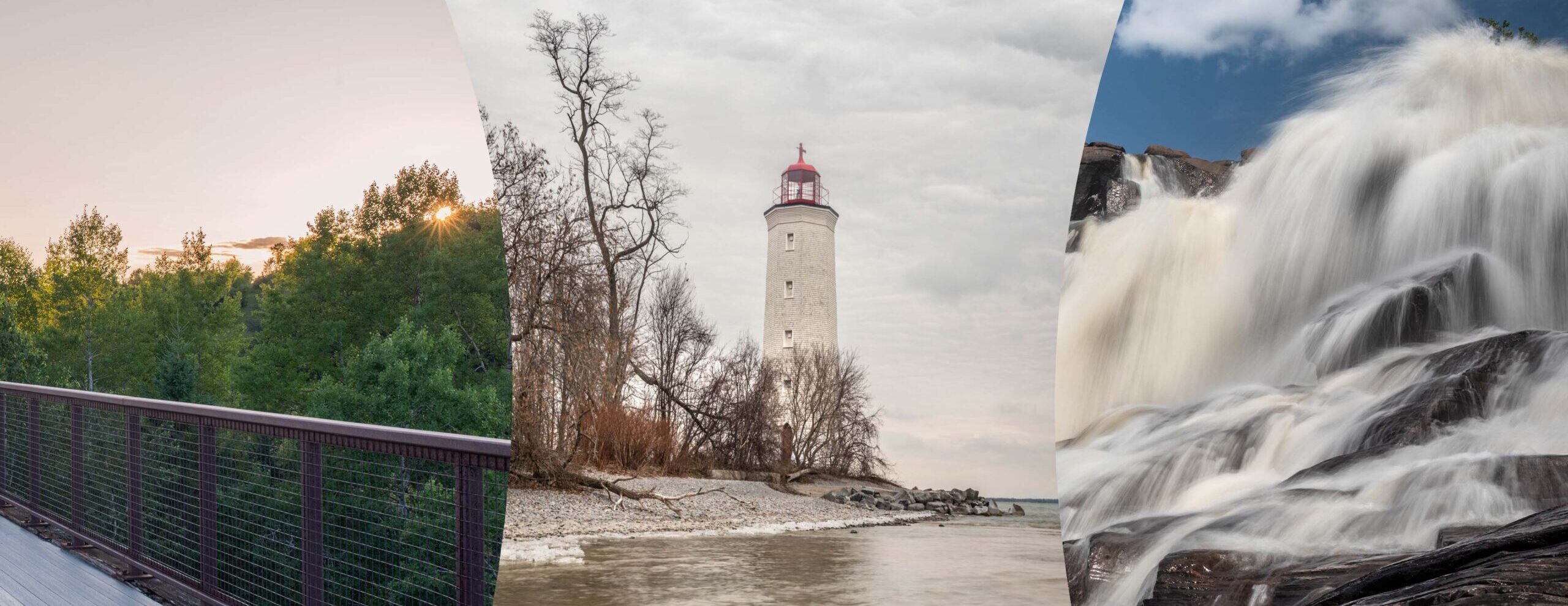
Discover Hiking on the Oak Ridges Moraine In The Nashville Conservation Reserve
For outdoor enthusiasts seeking a pristine escape near the Greater Toronto Area, Hiking on the Oak Ridges Moraine In The Nashville Conservation Reserve offers an unparalleled experience. This 900-plus hectare property, managed by the Toronto and Region Conservation Authority (TRCA), is a hidden gem located in York Region. Visitors are treated to a diverse landscape of upland forests, meadows, and the winding Humber River. The reserve is historically linked to the Bolton Resource Management Tract, sharing a legacy of conservation initiated after Hurricane Hazel. Whether you are looking for challenging treks along the Humber Valley Heritage Trail, birdwatching opportunities, or simply a quiet Green Space to recharge, the Nashville Conservation Reserve provides vital habitat and recreation. Discover why this Resource Management Tract is an integral part of Ontario‘s natural heritage system and how it protects the ecological integrity of the Oak Ridges Moraine.
Introduction To Hiking At The Nashville Conservation Reserve
Hidden away within the bustling expanses of the Greater Toronto Area lies a sanctuary of rolling hills and dense forests known as the Nashville Conservation Reserve. For many hikers and nature lovers, finding such a vast, uninterrupted Green Space so close to urban centers feels like discovering a secret garden. Ontario is renowned for its diverse landscapes, yet few places offer the specific geological and historical intrigue found here. As you step onto the trails, the noise of the city fades, replaced by the rustling of leaves and the murmur of the Humber River. Furthermore, the reserve serves as a critical ecological anchor, connecting various habitats across the region. It is a place where history, geology, and recreation intersect seamlessly.
The Wilderness of the Nashville Conservation Reserve
The Nashville Conservation Reserve is characterized by its breathtaking topography and rich biodiversity. Located specifically on the southern slope of the Oak Ridges Moraine, the terrain is defined by steep ridges and deep river valleys that challenge and delight hikers. The land was shaped thousands of years ago by retreating glaciers, leaving behind a complex landscape that supports a wide array of ecosystems. Consequently, visitors can traverse through lush bottomland forests, climb sun-drenched meadows, and navigate the banks of the Upper Humber River all in a single afternoon.
The reserve is not merely a recreational park; it is a vital ecological corridor. The habitat is utilized by numerous species for breeding, feeding, and migration. For instance, the area is known to support significant white-tailed deer wintering yards, providing shelter and food during the harsh Ontario winters. Additionally, the skies above the reserve are frequently patrolled by raptors, while the undergrowth bustles with small mammals. The ecological value of the Nashville Conservation Reserve is protected vigorously, ensuring that it remains a sanctuary for generations to come.
Connecting to the Bolton Resource Management Tract
While exploring these trails, one cannot ignore the historical and geographical connection to the Bolton Resource Management Tract. Both properties share a common origin story rooted in the need for flood protection and water conservation. The lands were acquired by the conservation authority in the 1960s and early 1970s, a direct response to the devastation caused by Hurricane Hazel in 1954. Originally, these vast tracts of land were intended to host large reservoirs. However, plans changed, and the dams were never constructed.
As a result, the land was left in its natural state, inadvertently creating one of the most significant contiguous green spaces in the region. The Bolton Resource Management Tract, located just to the north and west, compliments the Nashville Conservation Reserve by extending the protected corridor along the Humber River. This connectivity is crucial for wildlife migration and genetic diversity. Moreover, for the avid long-distance hiker, the relationship between these two tracts offers the potential for extended adventures through the Humber Valley. The preservation of the Bolton Resource Management Tract ensures that the ecological integrity of the entire watershed is maintained.
The Nashville Conservation Reserve features diverse trails and habitats that protect the Oak Ridges Moraine and Humber River watershed.
The Hiking Experience
Hiking on the Oak Ridges Moraine In The Nashville Conservation Reserve is an activity that caters to various skill levels, though it rewards those prepared for a rugged experience. The primary thoroughfare through the reserve is the Humber Valley Heritage Trail (HVHT). This trail is maintained by dedicated volunteers who ensure the path remains accessible while minimizing impact on the environment. The route winds through the property, offering spectacular vantage points of the river valley below.
On the other hand, the trails are not always manicured gravel paths; they are often narrow, winding dirt tracks that demand proper footwear. In the spring, the paths are frequently muddied by the thaw, making hiking poles a recommended accessory. During the autumn months, the canopy explodes into vibrant reds and oranges, drawing photographers and nature enthusiasts from across Ontario. Ideally, hikers should be prepared for varying elevations, as the trails dip into the valley floor and climb back up to the tablelands.
Furthermore, the experience is enhanced by the sense of solitude found within the reserve. Unlike more commercialized parks, the Nashville Conservation Reserve retains a wilder, less structured atmosphere. Signage is present but minimal, encouraging visitors to remain attentive to their surroundings. This “passive use” philosophy is central to the concept of a Resource Management Tract. The goal is to allow low-impact recreation that does not disturb the natural features that make the area special.
Ecological Significance and Wildlife
The biodiversity found within the reserve is truly remarkable. The area functions as a refuge for species that have been displaced by development in the surrounding York Region. The forests are dominated by sugar maple, beech, and hemlock trees, some of which are part of “older growth” stands that have escaped logging for over a century. Beneath this canopy, a rich understory of ferns and wildflowers thrives, particularly in the damp, shaded valley bottoms.
In addition, the Nashville Conservation Reserve acts as a crucial stopover for migratory birds. During the spring and fall migrations, the forests are filled with the calls of warblers, thrushes, and vireos. Birdwatchers are often rewarded with sightings of rare species that utilize the corridor to travel between their breeding and wintering grounds. The river itself supports a healthy population of fish and aquatic life, further supporting the food web.
Consequently, the protection of this land is of paramount importance. The Oak Ridges Moraine is a sensitive geological feature that acts as the rain barrel of Southern Ontario, filtering and storing groundwater. By preserving the forest cover on the moraine, the Nashville Conservation Reserve plays a direct role in maintaining the water quality and quantity of the Humber River. This ecosystem service benefits millions of people living downstream, highlighting the critical nature of Conservation efforts.
Seasonal Highlights
Each season brings a distinct character to the reserve. Winter offers a stark, quiet beauty, where the snow-covered landscape reveals the tracks of foxes, coyotes, and deer. Cross-country skiing and snowshoeing are popular activities during these months, as the flat tablelands provide excellent terrain for winter sports. The silence of the winter woods is profound, offering a deep sense of peace to those who venture out.
Conversely, summer transforms the reserve into a lush, green jungle. The meadows come alive with pollinators, including monarch butterflies and native bees. Hikers must be aware of the heat and humidity, but the shade of the mature forest offers a cool respite. It is during these months that the full vibrancy of the Green Space can be appreciated. The sheer volume of greenery produces oxygen and cools the surrounding air, combating the urban heat island effect.
Preservation and Future Stewardship
The management of the Nashville Conservation Reserve is a collaborative effort involving the TRCA, local municipalities, and community groups. A management plan is in place to guide the long-term protection of the property. This plan balances the need for public access with the imperative to protect sensitive natural heritage features. For example, certain areas may be restricted during breeding seasons or to allow for habitat restoration.
Moreover, the designation of the area as a Resource Management Tract implies a commitment to sustainable use. This differs from a typical park where amenities like washrooms and picnic areas are standard. Here, the focus is on the environment first. Visitors are expected to practice “Leave No Trace” principles, ensuring that their presence does not degrade the quality of the land.
The future of the Nashville Conservation Reserve depends on continued stewardship. As urbanization continues to encroach on the boundaries of the Oak Ridges Moraine, these protected lands become increasingly valuable. Community engagement is vital. Local residents are encouraged to participate in tree planting events, invasive species removal, and trail maintenance days. Through these actions, the public develops a deeper connection to the land and a vested interest in its survival.
Conclusion
Ultimately, Hiking on the Oak Ridges Moraine In The Nashville Conservation Reserve is more than just a walk in the woods; it is a journey through a landscape that tells the story of Ontario‘s geological and human history. The reserve stands as a testament to the foresight of those who acquired the land decades ago. Today, it serves as a vital lung for the region, a haven for wildlife, and a playground for those who seek the solace of nature.
Whether you are exploring the connections to the Bolton Resource Management Tract or simply enjoying a sunset over the Humber River, the value of this Conservation area is undeniable. It reminds us that Green Space is not a luxury, but a necessity for our physical and mental well-being. As we look to the future, the Nashville Conservation Reserve will undoubtedly remain a cornerstone of the regional trail system, inviting new generations to discover the beauty of the Oak Ridges Moraine.
Nashville Conservation Reserve provides a critical sanctuary for wildlife and a peaceful retreat for hikers in Ontario.
Bolton Resource Management Tract compliments this natural system by extending the protected lands along the Humber River watershed.
Written By
Tom Worsley
Ontario trail hiker and outdoor photographer
This trail guide is based on first-hand visits and on-site observations documented by Tom Worsley.
View full author bio