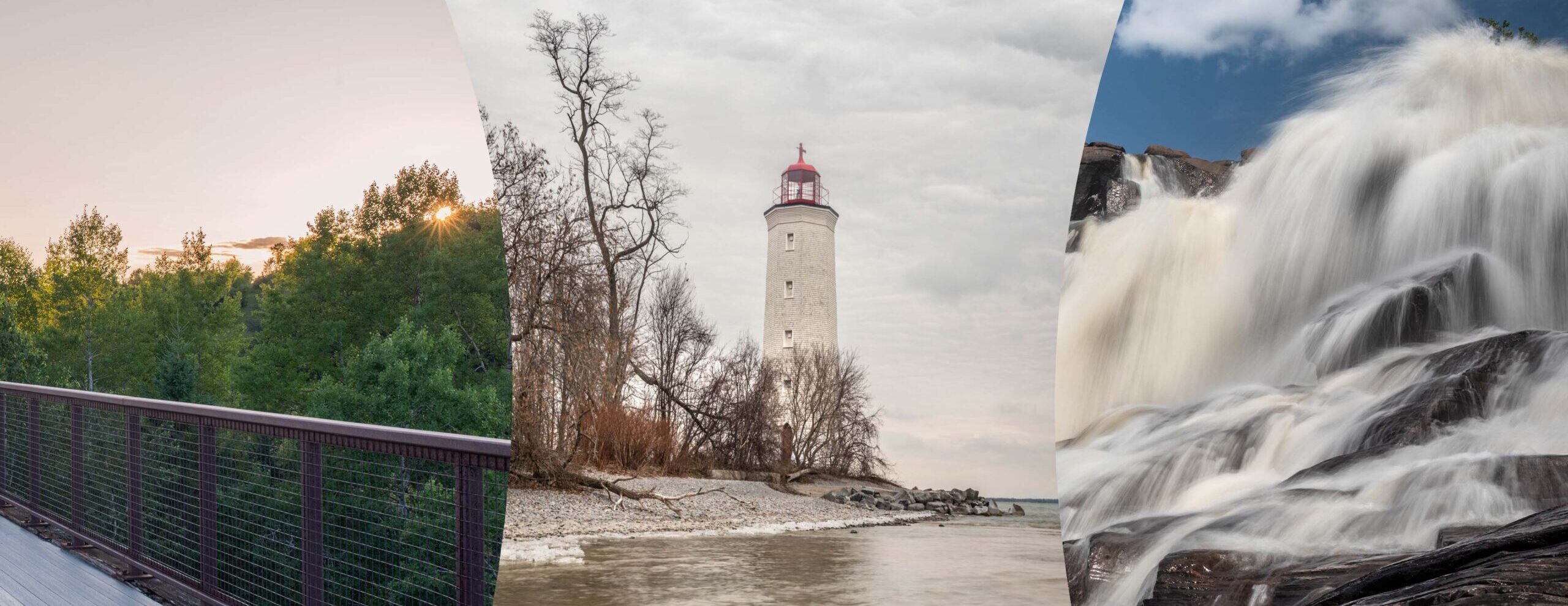
Hiking to the Summit at Rock Dunder Nature Reserve
Tucked away just south of the quaint village of Morton, Rock Dunder Nature Reserve stands as one of Ontario’s most iconic natural landmarks. Rising 275 feet above Morton Bay, this stunning wilderness area captivates hikers with sweeping views of the Rideau Waterway and the surrounding Frontenac Arch Biosphere. Managed by the Rideau Waterway Land Trust, the reserve offers a pristine blend of rugged forest, sparkling lakes, and granite outcrops shaped by glaciers thousands of years ago.
For adventurers seeking a challenge, The Summit Hiking Trail rewards effort with breathtaking panoramic views, making it one of Eastern Ontario’s most memorable hikes. Every step along the path connects you with the region’s ancient geological past and its long history of conservation and outdoor exploration.
Exploring Rock Dunder Nature Reserve – Ontario’s Hidden Gem
Located within the UNESCO-designated Frontenac Arch Biosphere, Rock Dunder Nature Reserve provides a living example of nature’s endurance and resilience. The biosphere, recognized as one of only 19 in Canada, bridges the Canadian Shield and the Adirondack Mountains. Consequently, the area’s diverse topography gives rise to an astonishing range of habitats — granite ridges, mixed hardwood forests, wetlands, and crystalline lakes.
Moreover, Rock Dunder Nature Reserve serves as a critical link in this ecological corridor, protecting wildlife species that migrate between northern and southern habitats. Many parts of the reserve are intentionally left untouched so that native flora and fauna can thrive without human interference. It is this delicate balance between accessibility and preservation that gives Rock Dunder its unique charm.
The Summit Hiking Trail – Journey to the Top
The Summit Hiking Trail defines the Rock Dunder experience. Stretching approximately 3.9 kilometres, the trail ascends through a landscape rich with maple, beech, and hemlock trees before breaking into rocky cliffs that offer glimpses of the water below.
At first, hikers are greeted with a gentle woodland walk. Gradually, the incline increases as the path winds toward Dean’s Island, where hikers can catch brief, dazzling views over the Rideau Waterway. Eventually, after passing through a series of switchbacks and mossy ledges, the forest gives way to open rock. Finally, the summit reveals itself — a granite dome overlooking a panorama of lakes, islands, and distant hills.
In addition, interpretive signs along the route provide educational insights about the Frontenac Arch Biosphere, local wildlife, and the geological forces that shaped the region. The combination of physical challenge and environmental education makes this trail one of Ontario’s top hiking destinations.
Panoramic Views and Natural Wonders of The Summit Hiking Trail
Standing at the summit, hikers are met with an unparalleled view that captures the essence of Eastern Ontario’s natural landscape. Below, Morton Bay glitters in the sunlight, and the winding Rideau Waterway stretches toward the horizon. The area’s rock formations, carved over millennia, reveal the intersection of nature’s artistry and time’s endurance.
Notably, the summit serves as an ideal location for photography, picnicking, and quiet reflection. During autumn, the forest transforms into a mosaic of fiery reds, yellows, and oranges, while in summer, wildflowers blanket the path. Even in spring, the fresh scent of pine and damp earth fills the air, providing sensory renewal.
For those who time their visit well, early morning hikes reward visitors with mist-covered lakes, while sunset treks bathe the cliffs in gold. Every visit feels like a new experience because the Frontenac Biosphere constantly shifts with the seasons.
The Trails of Rock Dunder Nature Reserve – Exploring Beyond the Summit
Although The Summit Hiking Trail is the main attraction, Rock Dunder Nature Reserve includes two additional loops: The Morton Bay Loop and The Scout Cabin Trail. Together, they create over 7 kilometres of diverse hiking experiences suitable for all skill levels.
Morton Bay Loop
The Morton Bay Loop, at approximately 2 kilometres, introduces visitors to the heart of the forest. It contains two moderately steep sections that lead to a peninsula overlooking Morton Bay. From there, tranquil views of rippling water framed by tall pines await. Because of its manageable distance and scenic rewards, this loop is ideal for families or casual hikers.
Scout Cabin Trail
For those seeking a more intimate forest experience, the Scout Cabin Trail offers a 1.55-kilometre journey through shaded groves and rugged terrain. Initially, the trail is gentle, leading to a water outlook furnished with a rustic bench — perfect for reflection. Later, the path descends toward the water’s edge, where the sights and sounds of nature are amplified by the bay’s calm surface.
Through each trail, the commitment to conservation and minimal impact hiking is emphasized. Signage reminds visitors to stay on designated paths, preserve vegetation, and carry out all refuse.
The History of Rock Dunder Nature Reserve – From Scouts to Stewardship
Interestingly, the story of Rock Dunder Nature Reserve is as inspiring as its vistas. The property’s conservation legacy began with the Rideau Waterway Land Trust (RWLT) in 2006, when the organization rallied community support to purchase the land from Scouts Canada.
Before this transition, Scouts Canada had owned the property for nearly 40 years. The site served as a wilderness camp, offering generations of young Canadians their first encounter with the natural world. Originally, the land belonged to Stanley Lash, a civil engineering professor at Queen’s University, who sold it to the Scouts in the 1960s.
During this era, numerous cabins were constructed by scout troops. The first, Cabin 1, was reassembled from a dismantled log building originally located north of Smiths Falls. This ambitious project marked the beginning of Rock Dunder’s evolution from a rustic camp to a community treasure.
Over the following decade, additional cabins — Cabin 2 and the Education Cottage — were built, solidifying the site’s role as a regional hub for outdoor learning. After nearly four decades, the Scouts decided to redirect resources toward younger campers, leading to the sale of Rock Dunder. Thanks to the dedication of the Rideau Waterway Land Trust, the property was preserved for public use and environmental protection.
From Log Cabins to Land Trust – A Legacy Preserved
During the fall of 1970, members of the 10th Kingston troop undertook the task of rebuilding Cabin 1. Logs were transported from a dismantled farm building north of Smiths Falls. After modifications, they were hauled back to Rock Dunder, where Scoutmaster Dave Hornby guided the cabin’s reconstruction. The project exemplified teamwork, craftsmanship, and community spirit.
Soon after, the Fort Henry Troop contributed by building Cabin 2, transporting logs by water through the Rideau Canal system. Eventually, a larger structure, the Education Cottage, was added — completing the trio of iconic scout buildings still remembered today.
Although only remnants of these cabins remain, their legacy lives on in the spirit of stewardship and adventure that defines Rock Dunder. Visitors walking through the forested paths can still sense the history embedded in the landscape — the laughter of scouts, the sound of axes splitting logs, and the echo of lessons learned in nature’s classroom.
Planning Your Visit to Rock Dunder Nature Reserve
Because of its popularity, planning ahead is essential for a successful visit to Rock Dunder Nature Reserve. Access is regulated to protect the environment and ensure a safe, enjoyable experience for all.
Location & Directions
Rock Dunder is located just south of Morton, off Highway 15. To reach the trailhead, turn onto Stanley Lash Lane and continue for approximately 1.2 kilometres to the parking lot.
Parking & Access
A modest parking fee supports ongoing maintenance and conservation. Entry is typically available between sunrise and sunset, though hours can vary by season.
Safety Guidelines
Visitors are reminded to remain on marked trails, wear sturdy footwear, and carry sufficient water. Because of steep sections and exposed rock, caution is advised near cliff edges. Dogs are welcome but must remain leashed at all times.
When to Visit – Seasonal Highlights
- Spring: The forest awakens with fresh greenery and wildflowers. Streams run high, adding vibrant energy to the landscape.
- Summer: Longer days and warm temperatures make it perfect for extended hikes and photography.
- Autumn: The summit becomes a painter’s palette of orange, crimson, and gold — an unforgettable Ontario experience.
- Winter (limited access): Snow-covered trails create quiet solitude, though official access may be restricted for safety.
No matter the season, the views from The Summit Hiking Trail never fail to impress.
The Frontenac Arch Biosphere – A Natural Connection
Beyond its aesthetic appeal, Rock Dunder Nature Reserve plays a vital ecological role within the Frontenac Arch Biosphere. This granite ridge system connects the Canadian Shield to the Adirondack Mountains, creating a wildlife corridor that supports hundreds of plant and animal species.
Because of this natural bridge, species such as black bears, moose, and numerous bird populations can move freely across ecosystems. The area’s protection ensures that biodiversity continues to flourish in harmony with responsible recreation.
Furthermore, the biosphere designation recognizes the cooperative relationship between humans and nature — one that Rock Dunder exemplifies through its well-maintained trails and ongoing conservation efforts.
Photography and Wildlife Watching
For photographers, the Rock Dunder summit provides some of the most striking natural compositions in Eastern Ontario. Early morning fog over Morton Bay, mirrored reflections in still waters, and sweeping sunset vistas offer endless opportunities for creative expression.
Wildlife enthusiasts may encounter white-tailed deer, red foxes, pileated woodpeckers, and an abundance of songbirds. Because the reserve lies within a biodiversity hotspot, sightings of rare flora — including several orchid species — are possible during late spring.
As always, wildlife should be observed from a respectful distance. Feeding or disturbing animals is prohibited to maintain ecological balance.
Conservation and Community Involvement
Importantly, Rock Dunder Nature Reserve represents a partnership between local residents, the Rideau Waterway Land Trust, and environmental organizations. Volunteers assist with trail maintenance, signage updates, and ecological monitoring.
In recent years, public interest in outdoor recreation has increased significantly. Consequently, conservation groups emphasize sustainable visitation — encouraging visitors to practice “Leave No Trace” principles. By doing so, the natural character of the reserve will remain preserved for future generations.
Moreover, educational programs occasionally take place on-site, where students learn about Ontario’s ecosystems, geology, and the importance of biosphere protection. These initiatives continue the teaching legacy that began with the Scouts more than half a century ago.
Why Rock Dunder Should Be on Every Hiker’s Bucket List
Above all, the Rock Dunder Nature Reserve experience combines challenge, beauty, and serenity in a single destination. The Summit Hiking Trail rewards every step with sweeping views, while quieter loops provide tranquil forest escapes.
For those who love hiking, photography, or ecological exploration, Rock Dunder is not just a destination — it’s a journey through Ontario’s natural heritage. Its connection to the Frontenac Arch Biosphere and its conservation history make it both a recreational paradise and a symbol of environmental responsibility.
Finally, few places in Eastern Ontario offer such dramatic vistas with such easy access from urban centres like Kingston, Ottawa, or Brockville.
Final Thoughts – A Natural Legacy Worth Protecting
Ultimately, hiking at Rock Dunder Nature Reserve reminds every visitor that true beauty comes from balance — between adventure and respect, between preservation and participation. The summit’s sweeping view over the Rideau Waterway stands as a reward for effort and a testament to decades of stewardship.
By visiting responsibly, hikers help ensure that the Frontenac Arch Biosphere continues to thrive as one of Canada’s most cherished landscapes. Whether you come for a day hike or return year after year, Rock Dunder will always offer new wonders waiting just beyond the next bend in the trail.
Rock Dunder Nature Reserve stands as a testament to Ontario’s natural beauty, offering the Summit Hiking Trail experience within the Frontenac Arch Biosphere.
Hiking the Summit Trail at Rock Dunder Nature Reserve reveals the best of Ontario’s wild spaces — where conservation, history, and adventure meet.
Written By
Tom Worsley
Ontario trail hiker and outdoor photographer
This trail guide is based on first-hand visits and on-site observations documented by Tom Worsley.
View full author bio