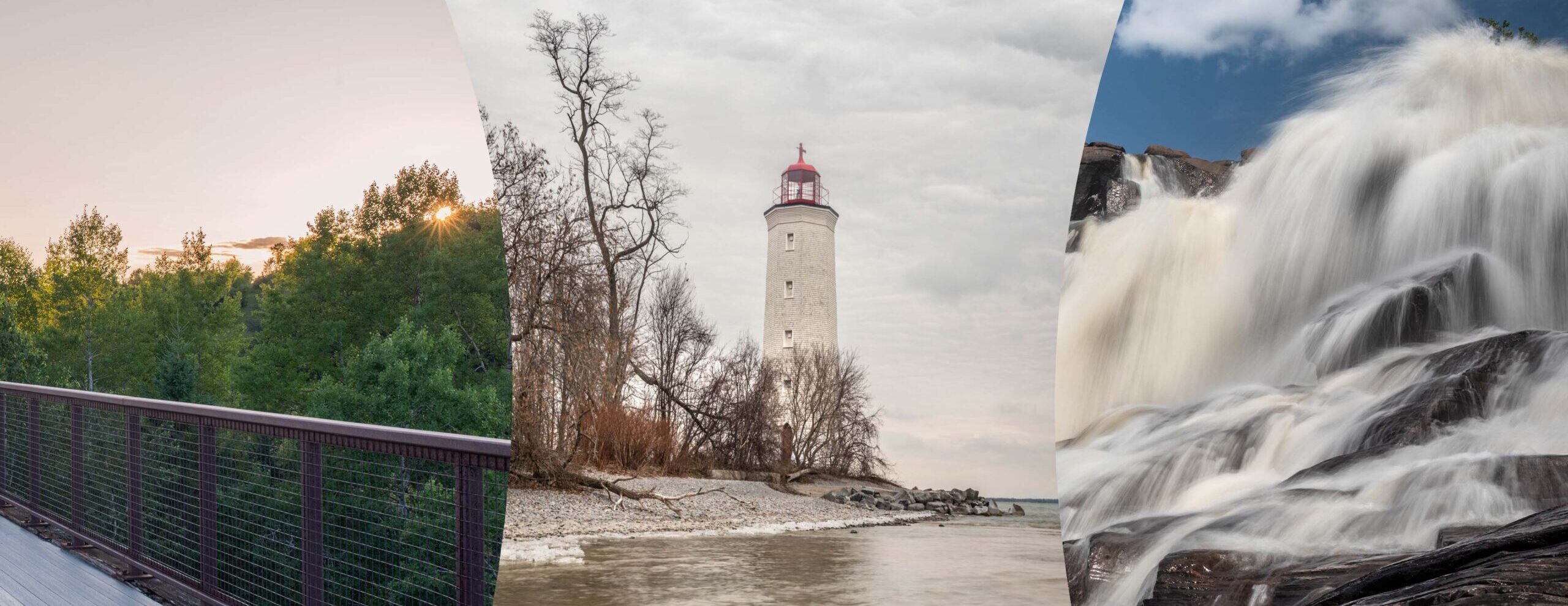
Why Rouge National Urban Park Is A Must-Visit Outdoor Attraction in Toronto
Rouge National Urban Park Offers Hiking, Wilderness, and Rouge River Views
Rouge National Urban Park is celebrated as one of the largest urban protected spaces in North America. Located within the bustling Greater Toronto Area, the park serves as a rare sanctuary where natural ecosystems, cultural heritage, and agricultural landscapes come together. With forests, marshlands, creeks, farmland, and a pristine beach on Lake Ontario, this outdoor destination has been recognized as one of Ontario’s most diverse wilderness areas.
Moreover, visitors are constantly surprised by the scale of the park. While Toronto is known for its skyscrapers, cultural events, and economic opportunities, Rouge National Urban Park offers something completely different: a natural escape right next to Canada’s largest metropolitan hub. Because the Rouge River winds its way through the park, lush valleys and wetlands provide stunning backdrops for outdoor adventure.
Therefore, hiking, birdwatching, and nature exploration are enjoyed by thousands every year. From easy family walks to more challenging wilderness routes, the park offers experiences for all skill levels. In addition, educational programs led by Parks Canada help visitors learn about Indigenous history, conservation efforts, and ecological preservation.
Rouge National Urban Park: A Gateway to Urban Outdoor Wilderness Hiking
Rouge National Urban Park is a destination where urban convenience meets authentic wilderness. Although only a short distance from Toronto’s downtown, the park feels worlds apart once its trails are entered. Hiking paths are surrounded by towering trees, wildlife habitats, and rich biodiversity. As a result, hikers often find themselves immersed in a true wilderness setting without leaving the city.
Additionally, over 12,000 years of human history have been documented within the park’s boundaries. Archeological sites reveal stories of Indigenous communities who first settled in the Rouge River valley. Farmland that still operates today offers insight into Canada’s agricultural traditions, while restored wetlands highlight the importance of conservation.
Because of these features, Rouge National Urban Park is more than just a hiking destination. It is a living museum, a natural classroom, and a recreational hub. Visitors are invited to explore trails, connect with wildlife, and learn about Canada’s cultural roots.
Hiking Rouge National Urban Park: A Complete Outdoor Experience
Visitors who arrive at Rouge National Urban Park are often impressed by the wide range of hiking options available. Since the park contains a mixture of landscapes, hikers can choose trails that range from open farmland walks to rugged wilderness treks. For example, the Vista Trail is highly recommended. The two-level viewing platform has been recognized as one of the best places to admire Toronto’s autumn colours, while panoramic views of the Rouge River valley leave lasting impressions.
Furthermore, the Mast Trail is another attraction that appeals to seasoned hikers. This historic path follows a route once used to transport white pine trees for shipbuilding during the 18th century. Today, the trail allows hikers to step into history while being surrounded by mature forests.
Equally important, trails like the Orchard Trail, Cedar Trail, and Beare Wetlands Trail are perfect for wildlife viewing. Birdwatchers regularly spot migratory species, while foxes, deer, and turtles are occasionally encountered. Because the Rouge River flows through many of these areas, ecosystems are sustained and wildlife thrives.
The Rouge River: A Natural Treasure in Canada’s Urban Wilderness
The Rouge River is considered the lifeline of Rouge National Urban Park. Flowing gently through valleys and marshes, the river provides essential habitats for fish, amphibians, and aquatic plants. Moreover, the river’s waters have shaped the cultural and ecological history of Ontario’s landscape.
In fact, Indigenous communities once relied on the Rouge River for food, travel, and trade. Later, European settlers used the river to establish farms and industries. Today, the river continues to support recreational activities, from canoeing and kayaking to guided nature walks along its banks.
As a result, the Rouge River has become both a natural and cultural symbol. While Toronto’s urban growth has been rapid, the river and its surrounding ecosystems have been preserved within the park. Consequently, visitors are able to experience a piece of Canada’s wilderness without leaving the city.
Why Hiking in The National Urban Park Feels Unique
Firstly, hiking in Rouge National Urban Park provides a rare opportunity to explore wilderness landscapes within a major Canadian city. Unlike other parks where travel outside urban centers is required, Rouge allows immediate immersion into forests, wetlands, and agricultural lands.
Secondly, accessibility is excellent. Public transportation routes, highways, and nearby attractions make the park one of the most convenient national parks to visit in Ontario. Since trails are maintained by Parks Canada, both safety and sustainability are prioritized.
Thirdly, cultural and ecological education is integrated into the visitor experience. Interpretive signs, guided tours, and volunteer-led hikes share stories of Indigenous traditions, early settlers, and conservation efforts. Because of this, hikers leave not only with great memories but also with new knowledge.
Attractions Beyond Hiking in The National Urban Park
Rouge National Urban Park offers more than just hiking. Since the park contains diverse landscapes, multiple activities are available:
- Wildlife Viewing: Migratory birds, deer, foxes, turtles, and more are commonly seen.
- Beach Exploration: Rouge Beach, located on Lake Ontario, offers swimming and relaxation.
- Photography: With seasonal changes, scenic landscapes provide endless opportunities for photography.
- Education Programs: Parks Canada organizes workshops, walks, and events that highlight conservation.
- Family Outings: Picnic areas, beginner-friendly trails, and nature play zones make it a family-friendly attraction.
Because of this variety, Rouge National Urban Park attracts not only hikers but also families, students, researchers, and tourists.
Cultural and Agricultural Significance of Rouge Urban Park
It must be remembered that Rouge National Urban Park is more than an outdoor playground. Within its boundaries, farmlands still operate, preserving Ontario’s agricultural traditions. Indigenous communities have long recognized the significance of the Rouge River valley, and archaeological findings continue to highlight the depth of human history.
Additionally, the park is part of Canada’s broader commitment to conservation. While other urban areas have been overtaken by development, this land has been preserved for public enjoyment, ecological health, and cultural education.
Thus, every visit contributes to awareness about sustainability. By exploring the park, visitors not only enjoy recreation but also participate in conservation.
Seasonal Highlights of The Rouge
- Spring: Wildflowers bloom along the trails, and migratory birds return.
- Summer: Rouge Beach and shaded trails become popular for outdoor recreation.
- Autumn: Vista Trail offers breathtaking fall colours and crisp hiking conditions.
- Winter: Snow-covered landscapes create a serene setting for cold-weather hiking.
Because each season offers unique beauty, the park remains a year-round destination.
Planning Your Visit to Rouge National Urban Park
When planning a trip, it is essential to prepare for a variety of conditions. Hiking footwear is recommended since trails may be muddy after rainfall. Additionally, binoculars and cameras are encouraged for wildlife and landscape viewing.
Since the park is located within Toronto, accommodations, restaurants, and other attractions are nearby. Public transit connections make the park easily accessible, reducing the need for private vehicles.
Therefore, a day trip or weekend getaway can be enjoyed without extensive travel. Rouge National Urban Park is one of Ontario’s most versatile attractions, providing both convenience and wilderness adventure.
Conclusion: Why Rouge National Urban Park Should Be Your Next Destination
Ultimately, Rouge National Urban Park represents the best of both worlds. While Toronto continues to grow as a major urban hub, this park preserves natural ecosystems, cultural heritage, and agricultural traditions. Visitors are given the opportunity to enjoy wilderness experiences without leaving the city.
Whether you are seeking quiet nature walks, challenging hikes, cultural exploration, or family outings, Rouge National Urban Park delivers. The Rouge River, Vista Trail, and diverse wildlife ensure unforgettable experiences every season.
Footer 1: Rouge National Urban Park is Ontario’s premier destination for urban outdoor wilderness hiking and cultural exploration.
Footer 2: Hiking in Rouge National Urban Park connects visitors to Toronto’s Rouge River, wildlife, and Canada’s natural heritage.
Rouge National Urban Park: Exploring Canada’s Premier Urban Wilderness
Written By
Tom Worsley
Ontario trail hiker and outdoor photographer
This trail guide is based on first-hand visits and on-site observations documented by Tom Worsley.
View full author bio