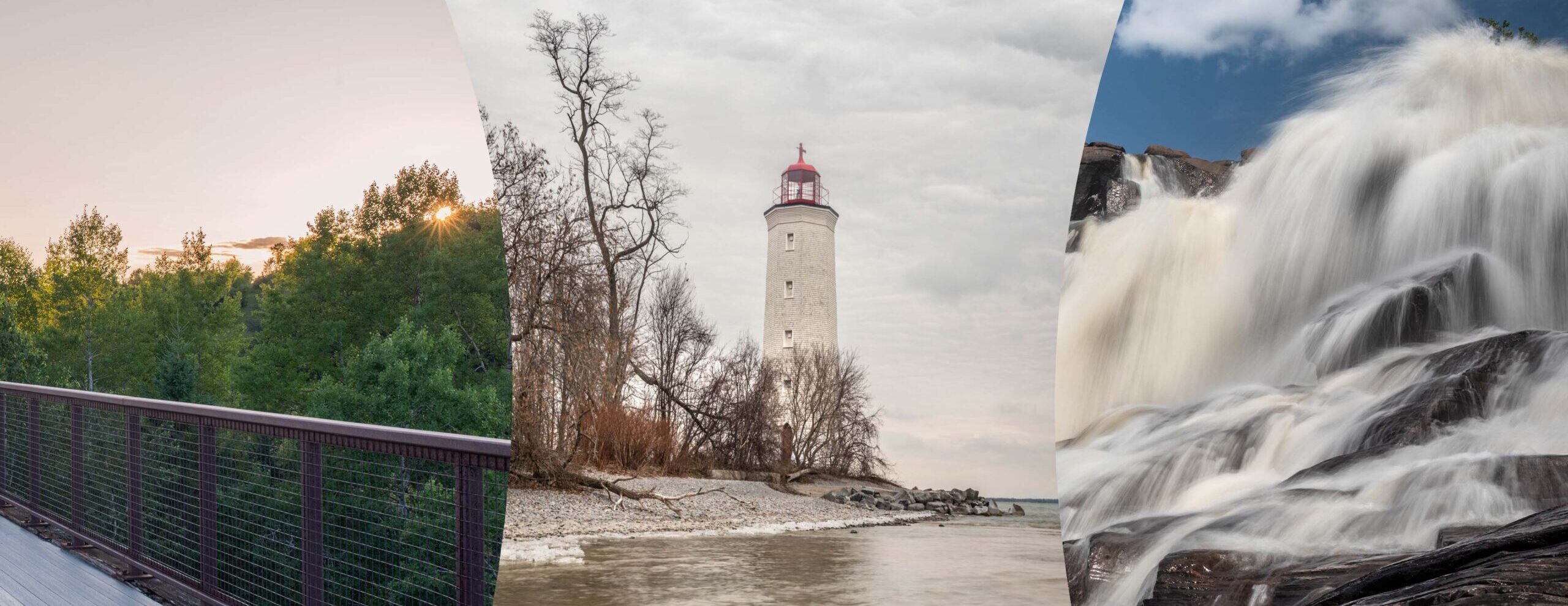
Discover Short Hills Provincial Park Ontario Canada: A Hidden Gem on the Niagara Escarpment
Water Falls On The Bruce Trail Part Of The Niagara Escarpment Ontario Canada
Nestled in the heart of the Niagara Peninsula near St. Catharines, Short Hills Provincial Park offers a rugged, natural retreat for those who love hiking, wildlife, and the beauty of the Niagara Escarpment. Spanning over 660 hectares, this Ontario park features lush Carolinian forests, rolling meadows, and tranquil streams that support a rich variety of wildlife. The famous Bruce Trail winds through the park, guiding visitors to scenic lookouts, peaceful valleys, and the captivating Swayze Falls. Unlike most parks, Short Hills offers an undeveloped, back-to-nature experience with no commercial amenities—perfect for hikers, mountain bikers, and nature photographers. Whether exploring its vast network of trails or discovering the hidden waterfall deep in its heart, Short Hills Provincial Park invites travelers to reconnect with nature and experience one of Ontario’s most unique landscapes.
Short Hills Provincial Park Ontario Canada: A Natural Haven for Hikers and Nature Lovers
Tucked away just minutes from St. Catharines, Short Hills Provincial Park Ontario Canada is one of the province’s most remarkable and underrated outdoor destinations. Known for its rolling hills, forested trails, and panoramic views of the Niagara Escarpment, this park offers an authentic escape into nature’s serenity. Covering roughly 660 hectares (1,630 acres), Short Hills showcases the best of southern Ontario’s diverse ecosystems, from Carolinian forests to open meadows and meandering creeks.
Unlike many provincial parks, Short Hills is celebrated for its rugged and undeveloped charm. No campsites, visitor centers, or commercial structures disrupt the peaceful landscape. Instead, visitors encounter raw, untouched wilderness where every step connects them to the rhythms of the natural world.
Exploring Short Hills Provincial Park: Trails, Waterfalls, and Wildlife
Located in the heart of Ontario’s Niagara Escarpment, Short Hills Provincial Park has become a sanctuary for outdoor enthusiasts seeking adventure without the crowds. The park’s landscape was shaped thousands of years ago by glacial activity, resulting in rolling terrain and scenic valleys that make it ideal for hiking, horseback riding, and mountain biking.
The Bruce Trail, Canada’s oldest and longest marked hiking trail, passes directly through the park. This world-famous trail provides hikers with access to some of the park’s most stunning viewpoints and hidden waterfalls. Along the route, adventurers encounter lush woodlands filled with towering maples and oaks, creating a vibrant canopy in every season.
Additionally, Short Hills is a haven for wildlife lovers. White-tailed deer can often be seen grazing in open fields, while red-tailed hawks circle above the escarpment cliffs. Wild turkeys, songbirds, and even coyotes call this landscape home. Birdwatchers will find endless opportunities to spot species year-round.
Moreover, the park’s many creeks and streams—some feeding into the Twelve Mile Creek watershed—provide a soothing soundtrack for anyone exploring its trails. During spring and fall, migratory birds rest along these waterways, making Short Hills a prime destination for nature photography.
Swayze Falls: The Crown Jewel of Short Hills Provincial Park and the Bruce Trail
At the heart of Short Hills Provincial Park, Swayze Falls offers a breathtaking reward for hikers following the Bruce Trail. Sometimes called the “shortest long hike,” this waterfall hike is both accessible and deeply rewarding.
To reach the falls, visitors begin their journey along the Swayze Falls Trail or the main Bruce Trail segment that winds through the park. Initially, the trail leads through dense Carolinian forest, filled with ferns, birch, and towering pines. Gradually, the path ascends along gentle slopes carved into the Niagara Escarpment, offering glimpses of the rolling countryside beyond.
As hikers continue, the sound of rushing water grows louder—a promise of what lies ahead. Emerging from the canopy, visitors are greeted by the sight of Swayze Falls cascading gracefully over limestone cliffs. The water plunges into a rocky basin, surrounded by moss-covered stones and shaded by ancient trees.
In the spring thaw, the falls roar with power, while in summer and autumn, they transform into a peaceful ribbon of water, ideal for reflection and photography. Many visitors pause here to enjoy a picnic, sketch the landscape, or simply breathe in the tranquility of Ontario’s natural beauty.
A Rugged Park with Endless Trails and Natural Diversity
Furthermore, Short Hills Provincial Park is home to a variety of multi-use trails suited for every skill level. The park features six main loops, each ranging from easy strolls to challenging climbs. The Paleozoic Trail and Terrace Creek Trail are popular for their moderate difficulty and scenic lookouts.
Cyclists often favor the Black Walnut Trail, which winds through hilly terrain ideal for mountain biking. Equestrians can enjoy the park’s designated horseback riding trails, which traverse open fields and wooded valleys.
Although the park’s terrain can be challenging in sections, the effort is rewarded with ever-changing views. In autumn, Short Hills transforms into a painter’s dreamscape—hillsides ablaze with gold, orange, and crimson hues. In winter, the frozen waterfalls and snow-covered trees create a peaceful wonderland for hikers and photographers alike.
Importantly, because the park remains undeveloped, visitors should come prepared. There are three main parking areas, but no camping or commercial facilities are available. This lack of infrastructure preserves the park’s natural integrity and allows for a true wilderness experience—something increasingly rare in southern Ontario.
The Niagara Escarpment: The Geological Heart of Short Hills Provincial Park
Geologically speaking, Short Hills Provincial Park exists because of the ancient Niagara Escarpment—a UNESCO World Biosphere Reserve stretching from Niagara Falls to Tobermory. Over millions of years, erosion carved out the valleys, ridges, and waterfalls that define the park’s landscape today.
Because of this unique geological history, the park supports a rich blend of plant and animal life. Visitors walking along the Bruce Trail can observe limestone outcrops, fossilized coral formations, and glacial till deposits—evidence of the forces that shaped Ontario’s terrain.
Moreover, the escarpment plays a vital ecological role. It creates microclimates that support rare Carolinian species found nowhere else in Canada. In the sheltered valleys of Short Hills, you might find tulip trees, sassafras, and even pawpaw plants, which are typically native to much warmer regions.
Thus, Short Hills Provincial Park not only provides recreation but also acts as a living classroom for geology and ecology enthusiasts.
Short Hills Provincial Park: A Refuge for Wildlife and Biodiversity
Ecologically, Short Hills Provincial Park is a vital link in the Niagara Peninsula’s network of protected lands. Because much of the area remains untouched by development, it serves as an important refuge for wildlife.
Additionally, the park’s diverse habitats—ranging from wetlands and meadows to upland forests—create ideal conditions for countless species. Amphibians thrive in the damp lowlands, while raptors hunt above the ridges. In early morning light, the songs of warblers and sparrows fill the air.
Over the years, conservation groups such as the Friends of Short Hills Park have worked tirelessly to preserve this ecological gem. They help maintain trails, educate visitors, and protect the fragile habitats that make the park so special.
Because of these efforts, future generations will be able to enjoy this pristine landscape much as it was centuries ago.
The Bruce Trail Connection: Walking Through Ontario’s History
For many visitors, the highlight of Short Hills Provincial Park is the chance to walk a segment of the Bruce Trail, a route that traces the spine of the Niagara Escarpment from Queenston to Tobermory.
Through this connection, hikers can experience not just natural beauty but also a sense of continuity—walking a path that links dozens of conservation areas, waterfalls, and geological wonders. Along the way, interpretive signs tell stories of Ontario’s natural history, Indigenous heritage, and early European settlement.
Furthermore, the Bruce Trail offers one of the best opportunities to appreciate the park’s elevation changes. Each climb reveals new perspectives: a glimpse of distant vineyards, a hidden creek, or a hawk gliding on the updrafts.
Because of its accessibility, the trail attracts both seasoned hikers and families seeking a day in nature. Benches along certain sections invite quiet reflection, while scenic overlooks encourage photography and sketching.
Seasons of Change: Experiencing Short Hills Year-Round
Throughout the year, Short Hills Provincial Park transforms with the seasons. In spring, wildflowers like trilliums and violets carpet the forest floor. Summer brings lush greenery and the sound of rushing water. Autumn paints the hills in fiery colors, while winter blankets the trails in silence and snow.
Moreover, the park’s natural rhythms attract outdoor enthusiasts in every season. Hikers and horseback riders explore the trails in warmer months, while snowshoers and photographers visit during the colder ones.
Importantly, since the park is open year-round, visitors can experience its evolving beauty multiple times and never see the same scene twice.
Planning Your Visit: What to Know Before You Go
When planning your visit to Short Hills Provincial Park, it’s important to remember that this park is all about self-guided exploration. There are no washrooms, picnic shelters, or camping areas, so preparation is essential.
Nevertheless, this simplicity is part of its charm. Because the park is less commercialized, it offers solitude even during busy weekends. Three main parking areas—Pelham Road, Wiley Road, and Roland Road—provide access to trailheads. Maps are available online or through the Friends of Short Hills Park organization.
Additionally, since the trails vary in difficulty, visitors should wear sturdy footwear and carry water. Dogs are welcome but must remain leashed to protect wildlife.
A Hidden Treasure on the Niagara Escarpment
Ultimately, Short Hills Provincial Park Ontario Canada represents the best of what the Niagara Escarpment has to offer—scenic beauty, ecological diversity, and unspoiled tranquility. It’s a place where hikers can escape city noise and rediscover the natural harmony that defines Ontario’s landscapes.
Although it may lack the amenities of larger parks, that very simplicity allows visitors to connect more deeply with nature. From the soothing sounds of Swayze Falls to the vast views along the Bruce Trail, every step reveals another layer of this remarkable landscape.
Because of its unique blend of history, geology, and ecology, Short Hills continues to captivate all who explore it.
Conclusion: Where the Wild Heart of the Niagara Escarpment Still Beats
In conclusion, Short Hills Provincial Park is not merely a destination—it’s an experience. Through its rugged trails, hidden waterfalls, and quiet forests, it invites everyone to slow down, listen, and reconnect with the land.
Visitors leave with more than memories—they take with them a renewed appreciation for Ontario’s natural beauty and the timeless majesty of the Niagara Escarpment.
Footer 1:
Footer 2: