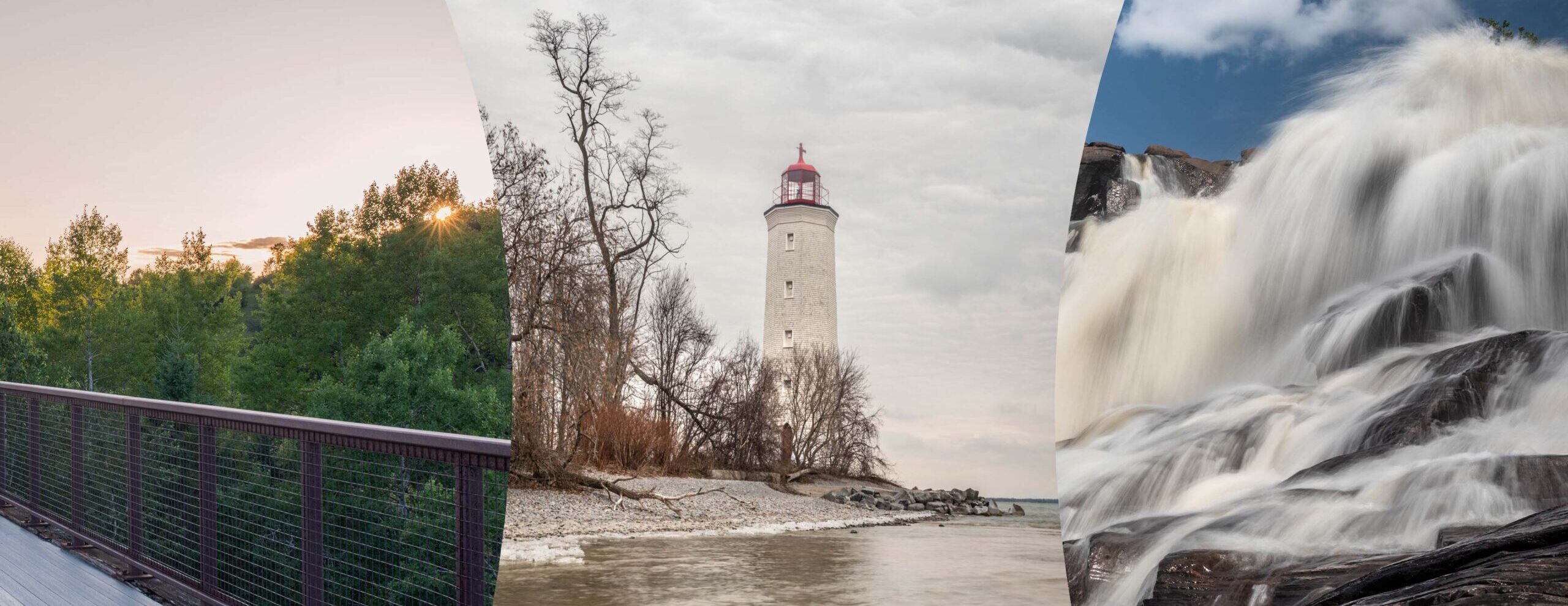
Exploring Northern Ontario at Lake Superior Provincial Park
Discover the Rugged Beauty and Historic Wonders of the Great Gitchegumee
Firstly, unforgettable natural wilderness can be discovered along the iconic coast of Lake Superior Provincial Park in Canada.
Additionally, stretching across Northern Ontario, the area offers an epic destination for adventurers seeking pristine beauty and outdoor recreation.
Moreover, majestic river valleys, granite cliffs, and peaceful beaches are found throughout this magnificent region.
Finally, incredible memories are guaranteed for visitors of all ages.
Spectacular natural scenery is showcased across the Lake Superior coast in Lake Superior Provincial Park.
Additionally, both easy-to-access lookout points and remote, untouched shoreline are offered to visitors.
Sweeping granite cliffs define the landscape.
Cascading river valleys, roaring waterfalls, and serene inland lakes complete the view.
Moreover, during autumn, breathtaking fall colours are displayed across the canopy, making the landscape a photographer’s dream.
World-class hiking and paddling adventures are provided along the dynamic Lake Superior Provincial Park shoreline.
Furthermore, deep insight into the region’s cultural history, natural features, and recreational opportunities is delivered.
It is provided at a Visitor Centre.
Exceptional trout fishing is enjoyed in the clear inland lakes and rushing rivers by angling enthusiasts.
Diverse camping opportunities are available across the park.
It features two fully serviced campgrounds for RVs and tents, alongside 200 backcountry campsites.
Additionally, on the evening of November 10, 1975, the SS Edmund Fitzgerald vanished from the surface of Lake Superior—famously known by Indigenous legends as gitchegumee—along with all 29 souls aboard during a fierce late fall storm.
This tragedy remains in the public consciousness due to Lightfoot’s ballad, the ship’s sudden loss, and the lake’s vast power.
Today, travellers can sense that mystique on the shores of Lake Superior Provincial Park in Northern Ontario.
Exploring the Great Lake Superior Coast in Ontario
Lake Superior Provincial Park serves as the ultimate wilderness destination in Northern Ontario for hiking, camping, and historic shoreline exploration.
The Lake Superior coast represents one of the most geographically diverse and ecologically significant freshwater ecosystems in Canada. Extending for over 80 kilometres along Highway 17 in Northern Ontario, Lake Superior Provincial Park protects a coastline of dramatic contrasts. The shoreline is defined by massive 200-metre granite bluffs, hidden cobblestone beaches, and expansive sandy bays carved out by millennia of relentless wave action.
Accessibility is one of the park’s defining characteristics. Travelers driving along the Trans-Canada Highway can pull into accessible scenic lookouts that offer immediate access to the Lake Superior shoreline. Alternatively, remote sections of the coast can be accessed only by foot or by water. Long stretches of wild, uninhabited shoreline are preserved in their natural state, providing sanctuary for unique boreal flora and fauna.
Consequently, the sheer power of Lake Superior shapes the microclimate of the region. Cold coastal air creates micro-environments where subarctic plant species thrive on windswept headlands, while sheltered inland river valleys host lush hardwood forests. The interaction between land and lake provides constant inspiration for nature lovers, artists, and researchers who travel to Northern Ontario to study this dynamic environment.
A Landscape of Contrasts: Geology and Fall Colours in Algoma Hills
The geological story of Lake Superior Provincial Park stretches back billions of years into Earth’s past. Ancient volcanic activity and intense tectonic forces shaped the Canadian Shield, forming the rugged topography of the Algoma Hills that characterize this region of Ontario. Over eons, massive glaciers carved deep river valleys, hollowed out pristine inland lakes, and polished the bare granite rock faces that line the Lake Superior coast.
In addition to ancient rock formations, the aquatic ecosystems within the park are remarkably diverse. Roaring waterfalls, such as Sand River Falls and Agawa Falls, cascade over ancient bedrock ledges as they carry freshwater from the interior plateau down to the great lake. Inland lakes scattered throughout the park offer calm, mirror-like waters that contrast sharply with the turbulent open waters of Lake Superior.
Autumn brings a spectacular transformation to the Algoma Hills. Beginning in mid-September, sweeping forest canopies of sugar maple, yellow birch, and red maple erupt into brilliant shades of crimson, gold, and orange. Fall colours are further intensified when viewed against the deep blue hues of Lake Superior and the dark green foliage of eastern white pine and balsam fir. Photography trips and scenic drives along Highway 17 become world-class experiences during this magical autumnal window in Northern Ontario.
World-Class Hiking Adventures Across Lake Superior Shoreline
Hiking is widely regarded as one of the best ways to immerse oneself in the wilderness of Northern Ontario. More than 130 kilometres of maintained trails are offered within Lake Superior Provincial Park, catering to a wide spectrum of abilities and time frames. Trails range from gentle boardwalk loops over wetland habitats to gruelling multi-day coastal treks along jagged cliff edges.
  Lake Superior Coastal Trail (110 km)
  ├── Agawa Bay (Southern Terminus)
  ├── Gargantua Harbor
  ├── Orphan Lake Junction
  └── Chalfant Cove (Northern Terminus)
The crown jewel of the park’s trail network is the Lake Superior Coastal Trail. Spanning approximately 65 kilometres between Agawa Bay and Chalfant Cove, this demanding trail is ranked among the most rugged and rewarding long-distance backpacking routes in Canada. Trekkers are required to navigate boulder-strewn beaches, scramble over slick granite headlands, and negotiate steep forested ascents. Panoramic vistas of open water, sea stacks, and remote coves are continuous rewards for those who take on the challenge.
| Hiking Trail Name | Distance / Type | Difficulty Level | Key Highlights & Features |
| Coastal Hiking Trail | 65 km (Linear) | Very Demanding | Rugged shoreline, sea stacks, coastal beaches |
| Nokomis Trail | 5 km (Loop) | Moderate to Difficult | Overlooks of Old Woman Bay & Algoma Hills |
| Orphan Lake Trail | 8 km (Loop) | Moderate | Bald rock lookouts, pebble beach, waterfall |
| Pinguisibi (Sand River) | 6 km (Return) | Easy | Follows cascading waterfalls & river rapids |
| Awausee Trail | 10 km (Loop) | Demanding | High ridge views of Agawa Valley & cliffs |
| Trapper’s Trail | 1.5 km (Loop) | Easy | Floating boardwalk, beaver habitat, lake loop |
For hikers seeking shorter day trips, several outstanding options are available directly off Highway 17. The Nokomis Trail leads hikers up high ridges overlooking Old Woman Bay, providing sweeping views that inspired artists of the famous Group of Seven. The Orphan Lake Trail offers a complete cross-section of the park’s geography, guiding hikers past an inland lake, through hardwood forests, down to a cobblestone beach on Lake Superior, and along a cascading river. Meanwhile, the Pinguisibi (Sand River) Trail provides an easy, family-friendly walk alongside a series of picturesque river rapids and waterfalls.
Paddling the Historic Waters: Canoeing and Kayaking Routes
Paddling has been the traditional mode of transportation across Northern Ontario for thousands of years. Lake Superior Provincial Park maintains eight designated canoe routes encompassing over 150 kilometres of inland lakes and rivers. These interior routes allow paddlers to escape coastal winds and experience the serene beauty of the boreal forest.
The Sand River Canoe Route is widely considered one of the park’s most historic and scenic paddling adventures. Originating outside the park boundary at Sand Lake, paddlers travel 56 kilometres down a historic river route once used by Indigenous traders and fur voyageurs. The river drops 185 meters in elevation over its course, offering exciting whitewater sections, scenic portages, and prime wilderness camping opportunities. Inland lake chains, such as the Mijinemungshing Lake route and the Belanger Lake route, offer calmer waters that are ideally suited for family canoe trips and novice paddlers.
In addition to inland canoeing, coastal sea kayaking along the Lake Superior shoreline attracts experienced open-water paddlers from around the globe. Navigating the coastal waters of gitchegumee requires skill, proper gear, and constant monitoring of weather conditions. Massive stone cliffs rise straight out of the water in areas like the Agawa Promontory, offering sea kayakers a humbled perspective of the natural landscape. Sheltered bays, archways, and remote island groups provide endless opportunities for discovery when coastal waters are calm.
Cultural History and Education at the Agawa Bay Visitor Centre
Rich cultural heritage is preserved and celebrated within Lake Superior Provincial Park. Located right on the coast at Agawa Bay, the park’s world-class Visitor Centre serves as an essential stopping point for travellers journeying through Northern Ontario. Interactive exhibits, historical artifacts, and educational displays are housed within the modern facility to highlight the natural ecosystems and human history of Lake Superior.
Furthermore, the exhibit hall is centred around the theme of “The Power of Lake Superior.” Visitors are introduced to the geological forces that formed the basin, the delicate flora and fauna of the boreal forest, and the maritime history of the Great Lakes. Special attention is given to the shipwreck legacy of Lake Superior, including stories of storm events that have claimed vessels throughout history.
  Human & Cultural Heritage Timeline
  ├── Indigenous Heritage (Ojibwe Nation & Agawa Rock Pictographs)
  ├── Fur Trade Era (Voyageur Routes along Lake Superior)
  ├── Group of Seven (Canadian Landscape Art Movement)
  └── Modern Conservation (Ontario Parks Preservation)
Cultural history is also brought to life through the park’s deep connection to the Ojibwe nation and the famous Group of Seven landscape painters. Display panels explain how artists such as A.Y. Jackson and Lawren Harris travelled through Algoma on special railcars to paint the rugged wilderness. Outdoor interpretive programs, guided hikes, and evening amphitheatre presentations are regularly scheduled at the Agawa Bay Visitor Centre during the summer season, offering enriching experiences for visitors of all ages.
World-Class Angling: Fishing for Trout and Salmon in Lake Superior
Angling opportunities in Lake Superior Provincial Park are recognized among the finest in Ontario. Cold, oxygenated waters found throughout the park’s rivers, inland lakes, and coastal bays support healthy populations of native and introduced game fish. Fishermen travel from across Canada to test their skills against hard-fighting trout and salmon species in clean, unpolluted environments.
Inland river systems, including the Sand River, Agawa River, and Old Woman River, are famed for their world-class brook trout fishing. Native brook trout thrive in cold, shaded pools beneath waterfalls and rapids, offering rewarding fly-fishing and light-tackle experiences. In early spring and late autumn, migratory runs of rainbow trout (steelhead) and Chinook salmon enter major river mouths from Lake Superior, drawing dedicated anglers to the coastal estuary areas.
In addition, deep inland lakes such as Mijinemungshing Lake, Gamitagama Lake, and Old Woman Lake provide excellent fishing for lake trout. Anglers utilizing canoes or small motorized craft can troll deep water structure for trophy-sized specimens. Strict fishing regulations, including catch limits and bait restrictions, are enforced across Ontario to ensure that these delicate aquatic ecosystems remain sustainable for future generations of anglers.
Camping Solitude: Agawa Bay, Rabbit Blanket Lake, and Backcountry Sites
Unrivalled camping experiences are offered to visitors seeking to connect with the wilderness of Northern Ontario. Accommodation choices in Lake Superior Provincial Park range from comfortable, fully serviced RV sites directly on the beach to isolated backcountry campsites accessible only by foot or paddle.
                 Lake Superior Provincial Park Camping Options
                                      │
         ┌────────────────────────────┴────────────────────────────┐
         ▼                                                         ▼
  Frontcountry Camping                                     Backcountry Camping
  ├── Agawa Bay (147 sites, 3 km beach)              ├── 200 Coastal & Interior Sites
  └── Rabbit Blanket Lake (60 sites, inland)         └── 76 Designated Backcountry Zones
Agawa Bay Campground
Located in the southern end of the park directly along Highway 17, Agawa Bay Campground is the park’s largest front-country facility. A total of 147 campsites are nestled within a mature pine forest along a stunning 3-kilometer sandy beach. Over half of the campsites offer direct, unobstructed views of Lake Superior, allowing campers to fall asleep to the sound of crashing waves. Modern comfort stations with flush toilets, hot showers, laundry facilities, and electrical hookups are provided for RVs and tent campers.
Rabbit Blanket Lake Campground
Situated in the northern interior section of the park, Rabbit Blanket Lake Campground provides a quieter, more rustic car-camping setting. Featuring 60 campsites arranged around the shores of an inland lake, this campground is ideally located for paddlers and anglers. Electrical services, comfort stations, and canoe rentals are available on site. The tranquil, sheltered waters of Rabbit Blanket Lake offer warm swimming and peaceful evening paddling away from coastal winds.
Backcountry Wilderness Camping
For true outdoor enthusiasts, over 200 designated backcountry campsites are maintained across the park’s interior lakes, river systems, and coastal trails. Backcountry sites are equipped with primitive box privies and designated fire rings. Select coastal sites along the Coastal Hiking Trail feature metal food lockers to protect supplies from wildlife. Permits and advance zone reservations are required through the Ontario Parks reservation system, ensuring that wilderness impact is managed sustainably across Northern Ontario.
The Sacred Art and Legend of Agawa Rock Pictographs
Sacred cultural heritage is preserved at Agawa Rock, located a short distance north of Agawa Bay. Rising sheer from the waters of Lake Superior, a massive red granite rock ledge holds one of the most famous and accessible Indigenous archaeological sites in Canada. For generations, Ojibwe artists and spiritual leaders came to this sacred cliff to paint images using a mixture of red ochre pigment and animal fat.
                         Agawa Rock Access Safety Path
                                       │
                                       ▼
                         Trailhead at Highway 17 Parking
                                       │
                                       ▼
                       Rugged Descent & Broken Granite Steps
                                       │
                                       ▼
                       Rock Ledge at Lake Superior Level
                                       │
                ┌──────────────────────┴──────────────────────┐
                ▼                                             ▼
     Calm Water Conditions                        Rough Water / High Waves
    (Safe to view paintings)                    (UNSAFE: Ledge flooded)
A short, rugged 500-metre trail guides visitors down through a natural rock chasm to the edge of Lake Superior. Painted upon the sheer cliff wall are 35 distinct pictograph images depicting canoes, animals such as moose, deer, and bear, and legendary spiritual beings. The most famous figure depicted is Mishipeshu, the Great Lynx and underwater spirit of Lake Superior, who was believed to control the unpredictable waves and tempests of gitchegumee.
Because the pictographs are located on a narrow, sloping rock ledge directly exposed to the open lake, access is possible only when Lake Superior is completely calm. Visitors are strictly instructed never to step out onto the rock shelf during periods of high waves or rain, as the rock becomes slick and dangerous. Touching or altering the pictographs is strictly prohibited to preserve these sacred Ojibwe ancestral records for generations to come.
Old Woman Bay: Dramatic Cliffs and Pristine Shoreline
Unmatched coastal grandeur is showcased at Old Woman Bay, located near the northern entrance of Lake Superior Provincial Park along Highway 17. This iconic bay is famous worldwide for its sweeping crescent-shaped beach, dramatic cliff faces, and wild driftwood shorelines. Dominating the eastern side of the bay is a colossal 200-metre granite cliff that drops vertically into the icy, crystal-clear waters of Lake Superior.
  Old Woman Bay Ecosystem & Visitor Zones
  ├── Driftwood Sand & Pebble Beach (Highway 17 Access)
  ├── 200m Granite Cliffs (Old Woman Face Formation)
  ├── Nokomis Trail Summit Lookout (High Panorama)
  └── South Old Woman River Estuary (Cold Water Habitat)
The bay derives its unique name from the stone cliff formation itself. When viewed from the beach or the water, the profile of an old woman’s face can be distinguished within the sheer rock wall face. Long stretches of sand and pebble beach offer ideal spots for beachcombing, picnicking, and photography. Even during hot summer months, the water temperature of Lake Superior at Old Woman Bay remains refreshingly cold, serving as a reminder of the lake’s massive depth and arctic character.
Directly across Highway 17 from the beach parking lot, the trailhead for the Nokomis Trail ascends steep ridges through hardwood and evergreen forests. From high lookouts along the trail, panoramic views of Old Woman Bay, the surrounding Algoma Hills, and the endless horizon of Lake Superior are revealed. Old Woman Bay stands as an unforgettable highlight for anyone travelling through Northern Ontario along the Trans-Canada Highway.
Remembering the SS Edmund Fitzgerald and Gitchegumee Lore
The tragic legend of the SS Edmund Fitzgerald remains deeply intertwined with the history and identity of Lake Superior. On November 10, 1975, the massive 729-foot iron ore freighter was caught in a catastrophic late-autumn hurricane on Lake Superior. Winds exceeding 70 knots and massive 35-foot waves battered the vessel as it made its way across the open water toward the safety of Whitefish Bay.
Without emitting a single distress call, the Edmund Fitzgerald suddenly vanished from radar screens approximately 15 miles off Coppermine Point, taking all 29 crew members down with it into the icy depth of 530 feet. The tragedy became immortalized in popular culture through Gordon Lightfoot’s haunting 1976 folk ballad, “The Wreck of the Edmund Fitzgerald,” which referred to Lake Superior by its traditional Ojibwe name, gitchegumee.
  November 10, 1975 - SS Edmund Fitzgerald Timeline
  ├── 02:00 PM: Storm intensifies with 70+ knot winds & massive waves
  ├── 03:30 PM: Captain reports taking on water and listing
  ├── 07:10 PM: Final radio contact: "We are holding our own"
  └── 07:15 PM: Ship vanishes from radar near Whitefish Bay
The memory of the Edmund Fitzgerald serves as a sobering reminder of the power and unpredictability of Lake Superior. Even modern, giant commercial vessels remain subject to the fury of gitchegumee during fall gales. Standing on the high cliffs or sandy beaches of Lake Superior Provincial Park late in the season, visitors can feel the solemn power of the great lake and appreciate the deep respect held by sailors and Indigenous people throughout history.
Essential Travel Tips for Your Trip to Northern Ontario
Detailed planning is essential for anyone travelling to Lake Superior Provincial Park to ensure a safe and enjoyable wilderness experience. Because Northern Ontario encompasses vast stretches of remote wilderness, being properly equipped and prepared is vital before departing major urban centres.
  Essential Packing Checklists
  ├── Navigation & Safety: Topographic park map, compass, physical GPS
  ├── Clothing & Gear: Thermal layers, waterproof rain jacket, broken-in hiking boots
  ├── Personal Protection: High-DEET bug spray, bear safety canister, first aid kit
  └── Permits & Passes: Ontario Parks printed confirmation pass & vehicle pass
Transportation and Accessibility
The park is bisected from north to south by Highway 17 (the Trans-Canada Highway), located approximately 130 kilometres north of Sault Ste. Marie and 40 kilometres south of Wawa. Driving is the primary method of access, and fuel stops should be planned carefully in towns prior to entering the park. Cell phone coverage is extremely limited or non-existent across large sections of the park, so offline maps or physical topographic maps should always be carried.
Permits and Reservations
Daily vehicle permits or camping permits are required for all visitors stopping within the park boundaries. Camping reservations for Agawa Bay, Rabbit Blanket Lake, and interior backcountry zones should be booked up to five months in advance through the Ontario Parks online reservation portal. Self-serve registration kiosks and visitor centre staff are available during operational months to assist visitors with permit purchases.
Weather Preparedness and Safety
Coastal weather along Lake Superior is notoriously variable and can shift rapidly within minutes. Fog, strong winds, and sudden temperature drops are common even during summer months. Layered synthetic clothing, waterproof rain gear, and sturdy hiking footwear are mandatory equipment for outdoor activities. Additionally, bear safety protocols must be followed strictly by storing all food, scented items, and trash in vehicle trunks or bear-proof canisters.
Summary of Wilderness Opportunities in Lake Superior Provincial Park
Lake Superior Provincial Park stands as a premier outdoor destination in Northern Ontario, offering an unparalleled mix of natural beauty, outdoor recreation, and cultural history. From world-class hiking along the rugged Lake Superior shoreline to peaceful canoeing through interior lakes, the park caters to every type of wilderness enthusiast.
Whether you are seeking a comfortable family camping holiday at Agawa Bay, an adventurous multi-day backpacking challenge, or a quiet day exploring Old Woman Bay and the Agawa Rock Pictographs, unforgettable memories are guaranteed. Plan your getaway today and discover why the wild shores of Lake Superior continue to captivate travellers from around the world.
Plan your next outdoor adventure to Lake Superior Provincial Park in Northern Ontario, Canada, to discover exceptional hiking, camping, and beach lookouts along Lake Superior.
Experience the natural majesty of gitchegumee at Agawa Bay and Old Woman Bay, where unforgettable memories are created in the heart of Ontario.
Written By
Tom Worsley
Ontario trail hiker and outdoor photographer
This trail guide is based on first-hand visits and on-site observations documented by Tom Worsley.
View full author bio