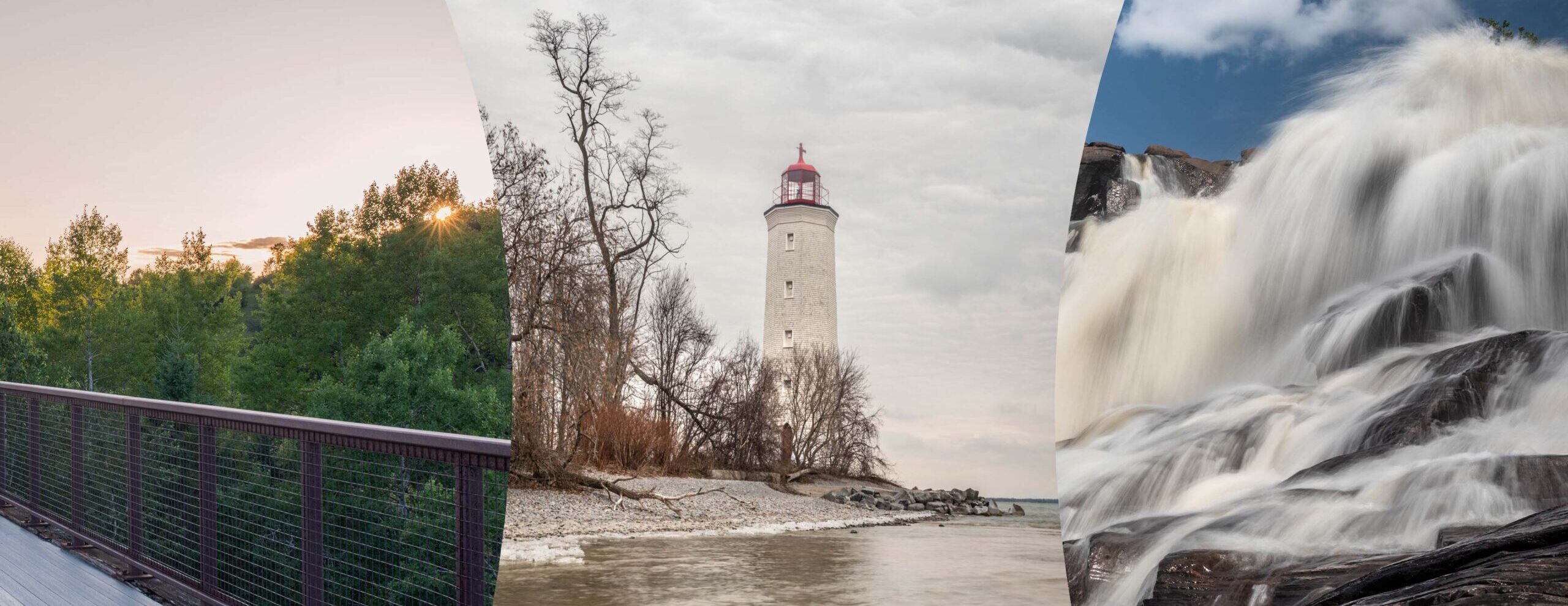
Jones Falls And Pottawatomi Conservation Area On The Niagara Escarpment
Exploring Natural Wonders at Owen Sound’s Most Scenic Attraction: Introduction
Discover the beauty of Jones Falls and Pottawatomi Conservation Area, where natural wonders meet outdoor adventure. Nestled on the Niagara Escarpment in Owen Sound, Ontario, this 116-hectare protected area offers a mix of geology, history, and recreation. Known for its spectacular 12-metre waterfall, this location has become one of Ontario’s most popular natural attractions.
Hiking the Bruce Trail to Discover Waterfalls in Ontario’s Jones Falls And Pottawatomi Conservation Area
Additionally, the conservation area connects directly to the Bruce Trail, Canada’s most famous hiking path. Families, hikers, photographers, and geologists are drawn here for the same reasons—stunning scenery, accessible trails, and opportunities to connect with nature. Because of its balance between protection and recreation, it remains a treasured spot for locals and tourists alike.
Why Visit Jones Falls and Pottawatomi Conservation Area
The Jones Falls and Pottawatomi Conservation Area is far more than a hiking stop. It is an immersive experience of natural Ontario where cascading water, limestone cliffs, and scenic woodlands create an unforgettable setting.
Furthermore, the main attraction—Jones Falls—is a waterfall that flows dramatically in spring, slowing to a gentler cascade in late summer. At 12 metres high, it may not rival Niagara Falls in size, but its charm lies in intimacy and accessibility. The sound of rushing water, framed by ancient escarpment rock, has captivated visitors for decades.
Because of its variety, the area appeals to different groups of travelers. Hikers seek the Bruce Trail connections, families enjoy easy access trails, and photographers arrive in every season to capture the changing scenery. For those exploring Owen Sound, this is a must-visit landmark.
The Niagara Escarpment – A Geological Marvel
The Niagara Escarpment, stretching over 725 kilometres through Ontario, is one of the most significant geological features in North America. Formed nearly 450 million years ago, it is composed primarily of dolostone and limestone deposited during the Silurian and Ordovician periods.
Because softer rock layers eroded more quickly than harder layers, cliffs and waterfalls like Jones Falls were formed. Over time, glacial meltwaters carved valleys and deepened river channels, shaping the dramatic landscapes we see today.
Furthermore, the escarpment has been recognized as a UNESCO World Biosphere Reserve, emphasizing its global ecological importance. The Pottawatomi And Jones Falls Conservation Area is a living classroom, where geology is revealed not only in cliffs and waterfalls but also in fossils embedded in exposed rock faces.
Additionally, the escarpment plays a critical role in local ecology. Its unique microclimates support rare plants, old-growth forests, and wildlife corridors. Visitors often remark that every step on the trails feels like stepping into natural history.
A Brief History of Jones Falls and Pottawatomi Conservation Area
Although geology shaped the escarpment, human history also influenced the land. The Pottawatomi River takes its name from the Potawatomi First Nation, whose traditional territories extended through the Great Lakes region. Indigenous peoples relied on rivers and waterfalls for sustenance, spiritual practices, and navigation.
Later, European settlers arrived in the Owen Sound region in the early 19th century. Waterfalls such as Jones Falls were used for industry, including milling operations. Because water provided reliable power, early communities often developed around these features.
In time, conservationists recognized the importance of protecting these natural landscapes. The Pottawatomi And Jones Falls Conservation Area was established under the Grey Sauble Conservation Authority, ensuring both preservation and public access. Today, visitors benefit from well-maintained trails, signage, and educational programs.
Furthermore, the site continues to serve as a reminder of Ontario’s layered history, combining Indigenous heritage, pioneer settlement, and modern conservation values.
Hiking Trails and the Bruce Trail Connection
One of the biggest draws of the conservation area is its direct connection to the Bruce Trail. As Canada’s oldest and longest marked footpath, the Bruce Trail stretches over 900 kilometres, following the crest of the Niagara Escarpment.
Additionally, trail segments within the Pottawatomi Conservation Area allow visitors to enjoy short day hikes or connect to longer routes. Because the trail is clearly marked, access to Jones Falls is straightforward and enjoyable.
Hikers will encounter varied terrain, from gentle forest paths to rocky escarpment outcrops. Wildlife sightings are common, and interpretive signage provides information about local ecosystems. Because of these features, the trails are accessible to beginners while still rewarding for experienced adventurers.
Furthermore, the conservation area’s trails make it possible to see the falls from multiple vantage points. Visitors often photograph the waterfall from the top, side, and base, capturing different perspectives.
Seasonal Beauty at Jones Falls
The magic of Jones Falls lies in its ability to change with the seasons.
- Spring: Snowmelt swells the Pottawatomi River, creating a thundering waterfall that crashes into the gorge below. Wildflowers bloom along the trails, adding bursts of color.
- Summer: Flow slows, but lush green foliage provides a tranquil backdrop. Families picnic along the riverbanks, and children explore shallow streams.
- Autumn: Brilliant fall colors transform the escarpment. Reds, oranges, and yellows frame the waterfall, making it one of Ontario’s most photographed spots.
- Winter: Ice formations build around the falls, creating a frozen wonderland. Snowshoeing and winter hiking become popular for those seeking solitude.
Because each season offers a new experience, repeat visits are highly recommended. Many travelers return multiple times a year to witness the changing landscape.
Family-Friendly Outdoor Recreation
Beyond hiking, the Pottawatomi And Jones Falls Conservation Area offers a wide range of recreational opportunities.
Furthermore, the trails are short and manageable, making them ideal for children and seniors. Benches provide rest stops, while picnic areas encourage family gatherings. Because the area is free to access, it provides an affordable day trip.
Photography, birdwatching, and nature study are popular pastimes. Additionally, guided hikes and educational programs are sometimes offered, giving families a chance to learn more about the Niagara Escarpment.
Because safety and accessibility are priorities, the Grey Sauble Conservation Authority maintains the area carefully. Visitors can explore with confidence, knowing the trails are monitored and preserved.
Tourism in Owen Sound and the Surrounding Region
The Pottawatomi And Jones Falls Conservation Area is just one of many attractions in Owen Sound, a city known as the “Waterfall Capital of Ontario.”
Moreover, visitors often create a waterfall tour by including Inglis Falls, Weavers’ Creek Falls, and Indian Falls. Combined, these sites showcase the diversity of the Niagara Escarpment’s water systems.
Because Owen Sound also offers cultural attractions such as the Tom Thomson Art Gallery, the Billy Bishop Museum, and vibrant downtown restaurants, travelers can balance outdoor exploration with urban experiences.
Additionally, the region is part of Ontario’s BruceGreySimcoe tourism area, making it a hub for year-round adventure. In winter, skiing and snowmobiling dominate. In summer, hiking, paddling, and camping take center stage.
Photography and Nature Observation
For photographers, Jones Falls is a dream subject. Long exposure shots of the cascading water, framed by limestone cliffs and dense forest, are especially popular.
Furthermore, the conservation area offers wildlife photography opportunities. Bird species such as woodpeckers, warblers, and hawks are commonly seen. Deer and smaller mammals are also frequently spotted.
Because the escarpment creates diverse habitats, wildflowers and ferns thrive, making macro photography rewarding. Seasonal lighting also changes the mood—soft morning light adds warmth, while evening shadows create drama.
Conservation and Education
The long-term protection of the Jones Falls and Pottawatomi Conservation Area is vital. Managed by the Grey Sauble Conservation Authority, it is maintained as both a recreational attraction and an ecological reserve.
Furthermore, the area plays a role in environmental education. Local schools often bring students for field trips, where lessons on geology, ecology, and conservation are integrated with outdoor activities.
Because public awareness strengthens conservation, interpretive signs and information boards are found throughout the park. Visitors learn not only about the falls but also about the importance of protecting Ontario’s natural heritage.
Tips for Visiting Jones Falls And Pottawatomi Conservation Area
When planning a trip to Jones Falls and Pottawatomi Conservation Area, consider the following advice:
- Visit in spring for the most dramatic waterfall flow.
- Arrive early to secure parking during peak weekends.
- Wear sturdy footwear, as escarpment terrain can be uneven.
- Bring water and snacks, especially if combining the visit with Bruce Trail hikes.
- Stay on marked trails to protect fragile ecosystems.
- Respect wildlife and observe from a distance.
Additionally, visitors should prepare for rapid weather changes. Because the Niagara Escarpment creates microclimates, conditions may shift unexpectedly.
Accessibility and Visitor Information
The conservation area is open year-round. Parking is located at the trailhead, and access to Jones Falls requires only a short walk.
Furthermore, the site is maintained to balance public enjoyment with ecological protection. Trails are regularly inspected, and safety features are added where necessary. Because of these efforts, the area is both welcoming and sustainable.
Conclusion
The Jones Falls and Pottawatomi Conservation Area on the Niagara Escarpment stands as one of Ontario’s most rewarding outdoor destinations. With its mix of history, geology, and natural beauty, it continues to inspire awe in every season.
Furthermore, its accessibility makes it an ideal stop for families, photographers, and hikers alike. Because Owen Sound is nearby, additional attractions and services enhance the experience.
Ultimately, Jones Falls is not just a waterfall—it is a story carved in stone and water, connecting past and present. Visitors leave with more than photographs; they leave with memories of Ontario’s natural heritage.
The Pottawatomi And Jones Falls Conservation Area is one of Ontario’s most rewarding natural attractions on the Niagara Escarpment.
Exploring the Niagara Escarpment at the Pottawatomi And Jones Falls Conservation Area provides unforgettable hiking and sightseeing experiences.
Written By
Tom Worsley
Ontario trail hiker and outdoor photographer
This trail guide is based on first-hand visits and on-site observations documented by Tom Worsley.
View full author bio